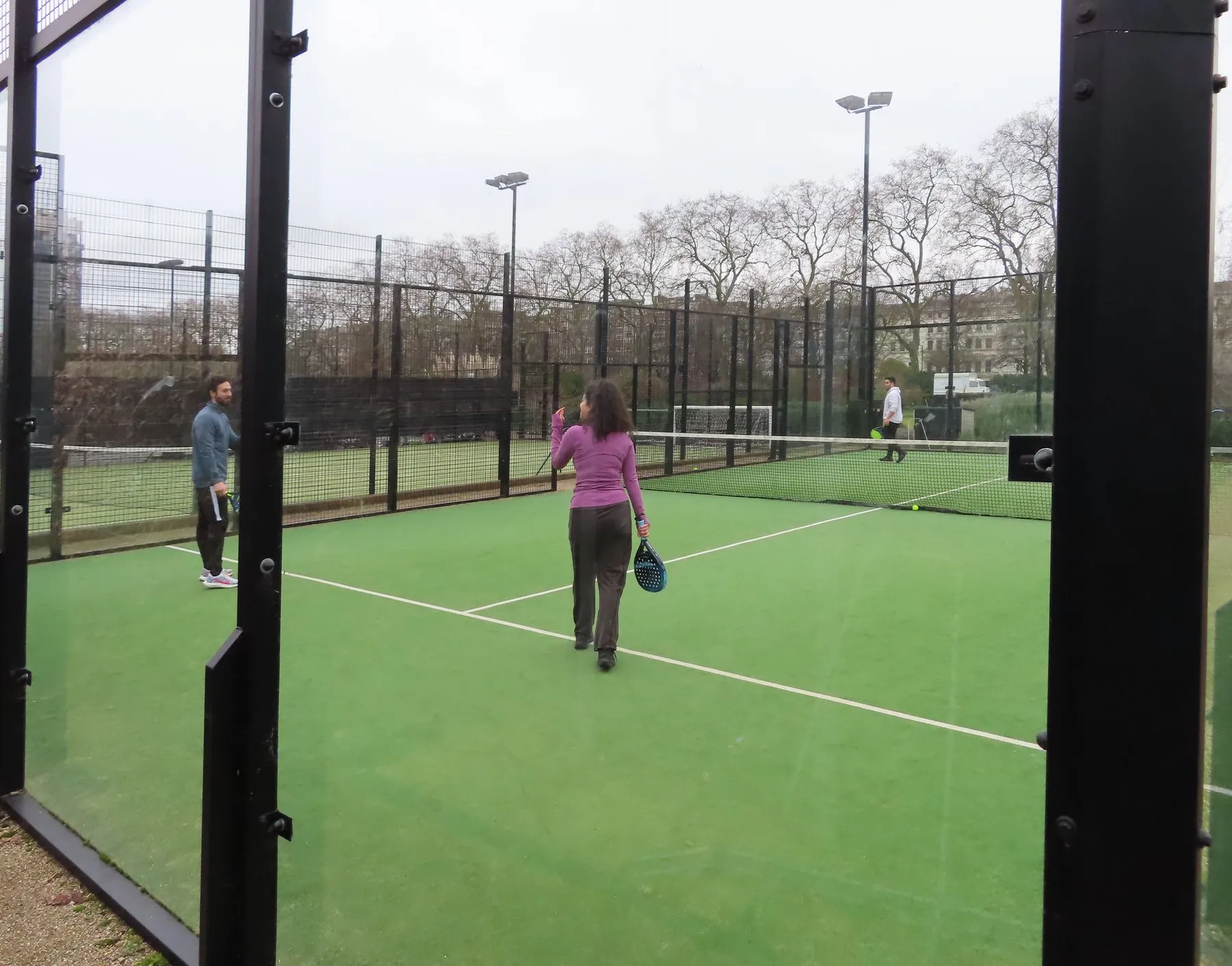
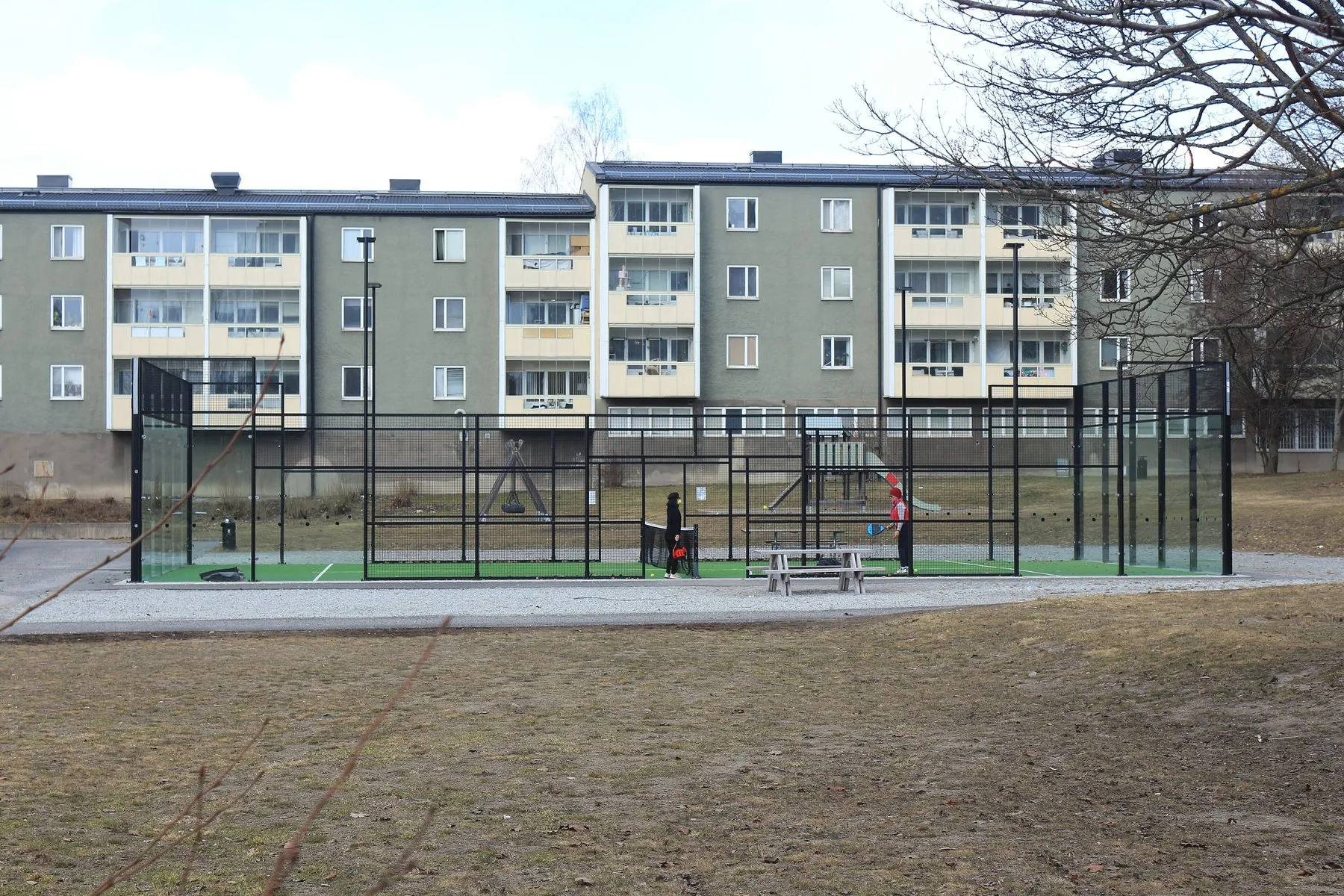
Contents — 9 parts
Padel has a longer history than people think, and a culture of its own: a court invented for lack of space, a first boom followed by a crash, a war between tours, champions who reigned for sixteen years. This page gathers everything we have written to understand the sport beyond the court: where it comes from, how big it is today, who has shaped it, and where to watch it.
The documentary: the history of padel in eleven minutes
To get into padel culture, start with its history. Our documentary tells it in eleven minutes, from the American cousins of 1898 to Court Philippe-Chatrier, with Coach SCUD and archive footage.
The chapters: the American cousins (0:41), Acapulco, the wall (2:09), Marbella (3:38), the first Argentine boom (4:49), the rules of the game (6:15), the pro era (7:30), France (9:03) and tomorrow (9:53).
Padel in a few numbers
| Born in | 1969, in Acapulco (Mexico), according to the International Padel Federation |
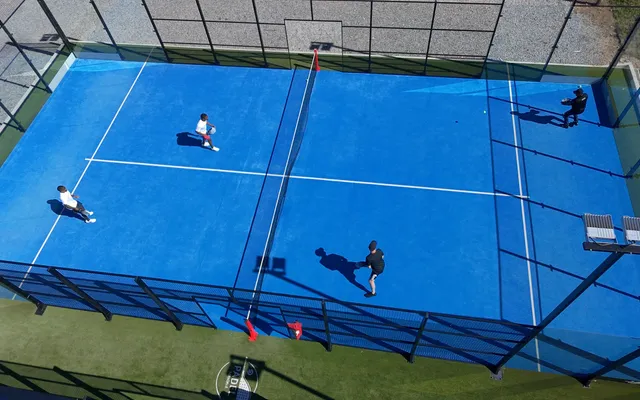
| Court | 20 m × 10 m, enclosed by glass and wire mesh, since the very beginning |
| Players worldwide | 38 million according to the FIP, 19.4 million according to the 2026 Playtomic report |
| Countries | 178 countries and territories (FIP, 2026) |
| Courts built in 2025 | nearly 22 a day worldwide (Playtomic) |
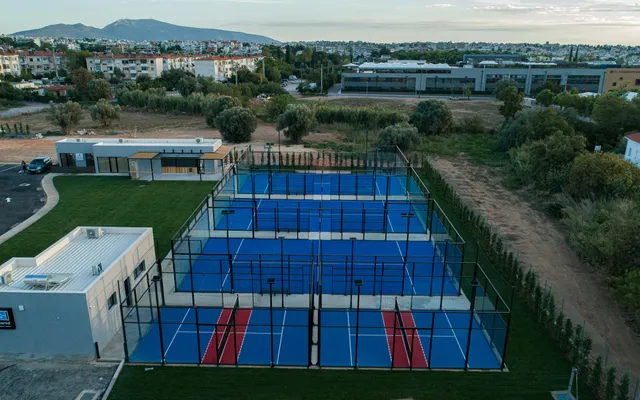
| In France | 4,520 courts and 150,500 padel licences at the end of August 2026 |
| Attendance record | 81,000 spectators at the 2026 Paris Major, at Roland-Garros |
The two estimates of the number of players differ by a factor of two: the FIP counts broadly, while the Playtomic report, produced with PwC, counts cautiously. Both agree on spectacular growth.
The history of padel
Padel was born in Acapulco, when Enrique Corcuera closed in with walls a plot that was too small for tennis. It reached Spain through Marbella, then Argentina, where it had its first boom, and then the whole world. Our full account, from the American cousins of 1898 to today’s tour, with archives and sources:

Padel in France
In just a few years France has become one of the great padel countries: the FFT (French Tennis Federation) has run it since 2014, courts number in the thousands, and Roland-Garros hosts a Major every year.
- Padel in France in figuresCourts, clubs, licence holders, tournaments: the rise of French padel
- 2026 French padel championshipsThe French champions, the roll of honour, the peak of the national circuit
- Paris Major 2026 at Roland-GarrosThe final that turned around and the record of 81,000 spectators

The top level
Since 2024, a single professional tour has brought together the best players in the world: Premier Padel. Its Majors, P1s and P2s travel the globe, from Riyadh to Barcelona.
- Premier Padel 2026 calendarEvery tournament of the season, the winners, how to watch in France
- Kuwait Major 2026One of the last two Majors of the season, and the race for the Finals
Understanding the game
Padel is not a scaled-down version of tennis. Its rules, its scoring and its rackets are its own, and they are still evolving.
- Padel, tennis, pickleball: the rackets comparedWhat really sets the three racket sports apart
- Padel rules for beginnersThe court, the serve, the glass, the score
- The Star PointThe new deuce rule adopted by the FIP in 2026
- Bandeja, víbora, chiquitaThe vocabulary of the shots, inherited from Spanish
To learn to play rather than to understand, our Learning padel page offers a complete path, from the rules to your first tournament.
Rackets have a history too
The padel racket has followed the history of the game: from the perforated wooden palas of the 1970s to today’s carbon constructions. Our technical articles tell that story, material by material.
- How a padel racket is madeMoulding and curing, from the fibre to the perforated face
- Fibreglass or carbonThe two materials that replaced wood
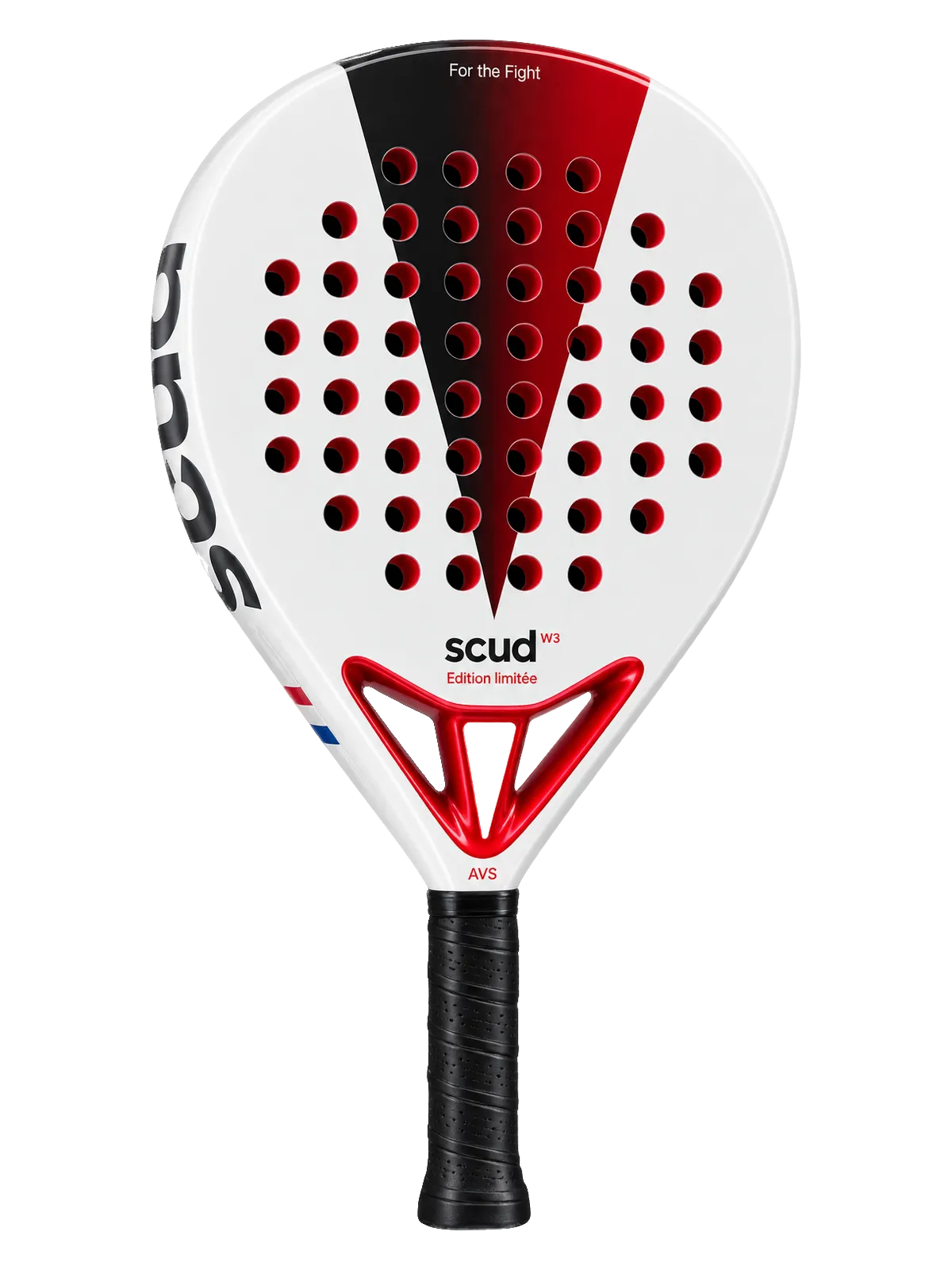
- Why SCUD produces in limited runsOur way of making rackets
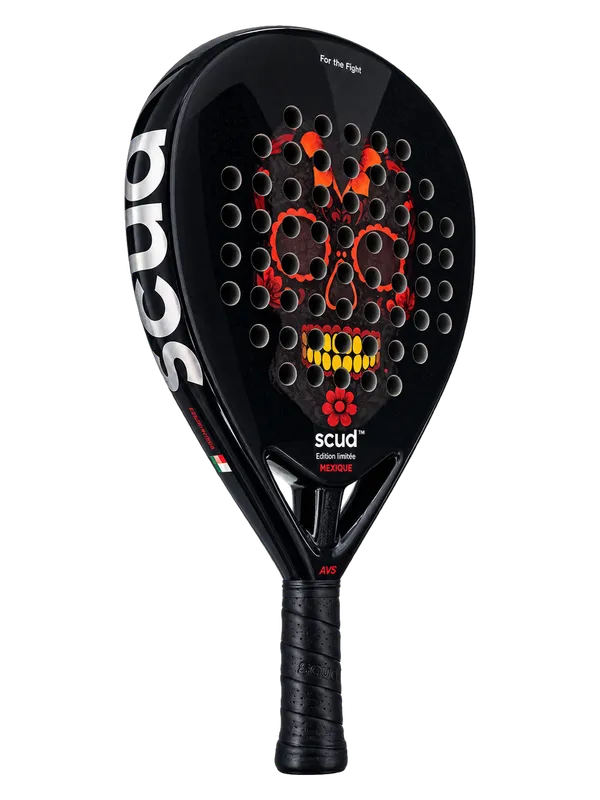
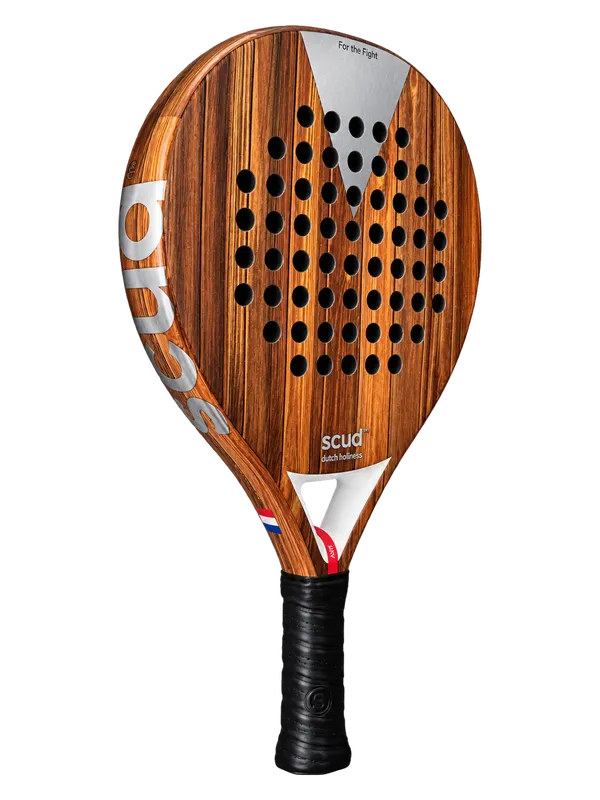
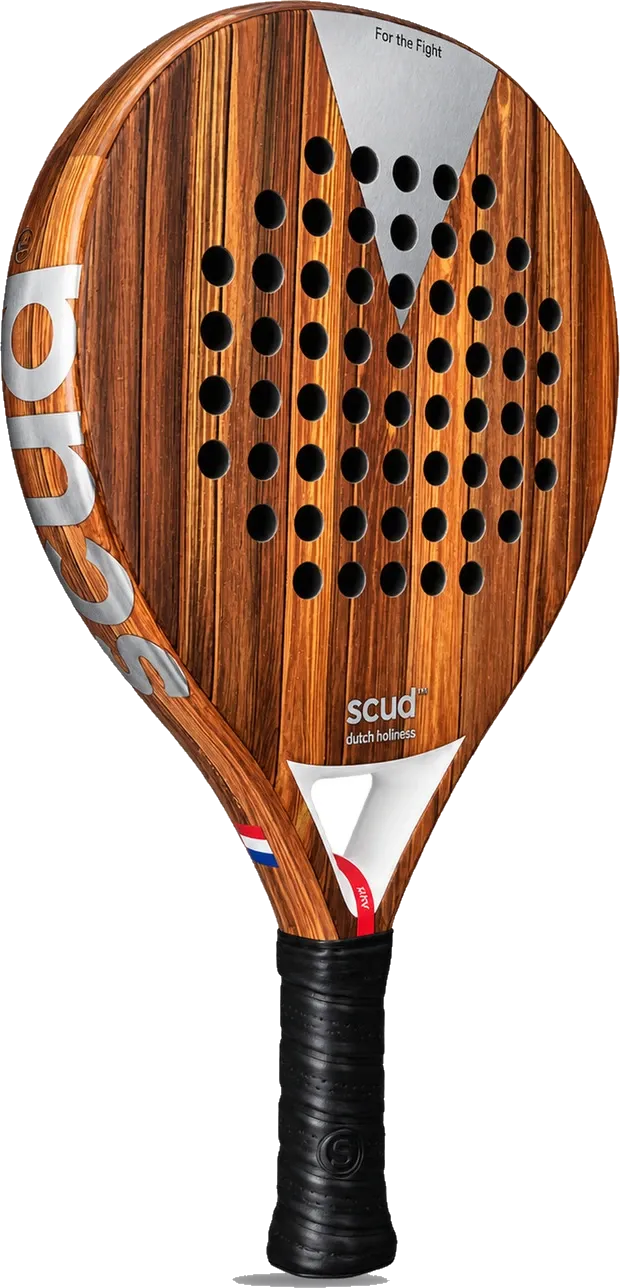
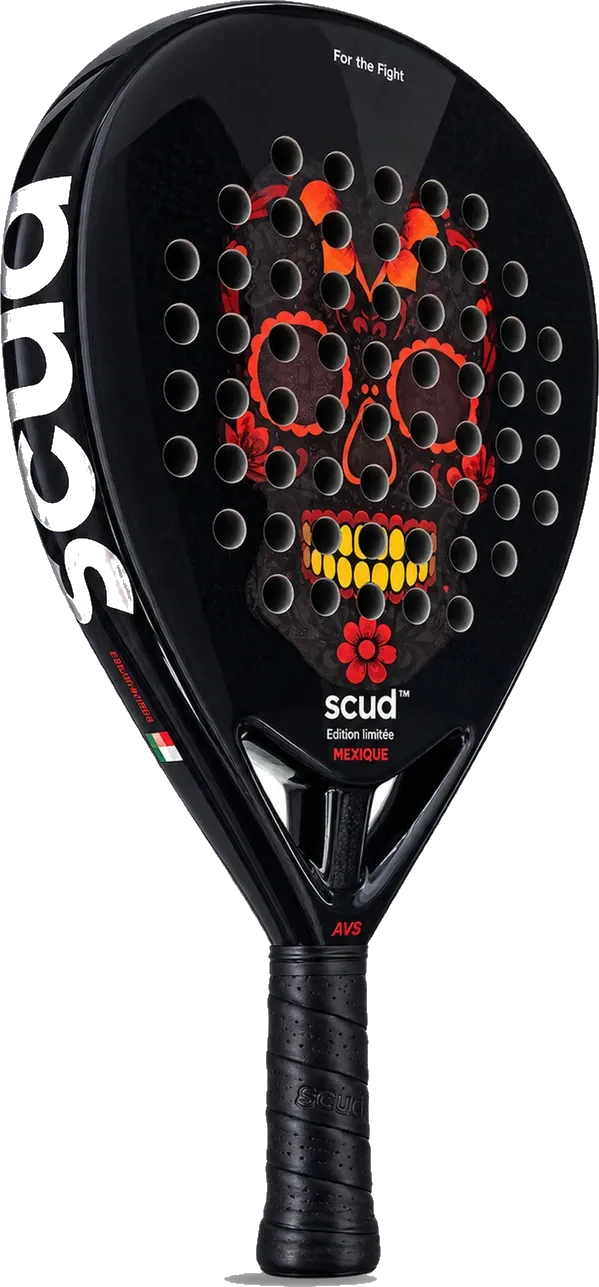
The SCUD Mexique M1 pays tribute to the country where padel was born, with its Día de los Muertos artwork; the SCUD Wood W1 takes up the wood finish of the first palas.
In short
- Padel was born in Acapulco in 1969 according to the FIP, on a 20 m × 10 m court that has remained the standard.
- It has between 19 and 38 million players depending on the source, in 178 countries.
- France has 4,520 courts in 2026 and has hosted a Major at Roland-Garros since 2022.
- A single professional tour, Premier Padel, has brought together the best players since 2024.
- This page links to our articles on history, numbers, competition and the culture of the game.
Frequently asked questions
What is padel’s country of origin?
Mexico. Padel was invented in Acapulco by Enrique Corcuera, in 1969 according to the International Padel Federation. It then developed in Spain and Argentina.
How many padel players are there in the world?
Between 19.4 million, according to the 2026 Playtomic report produced with PwC, and 38 million, according to the International Padel Federation. The gap comes down to counting methods.
What is the biggest padel tournament in France?
The Paris Major, a Premier Padel tournament played at Roland-Garros since 2022. Its 2026 edition drew 81,000 spectators, a record.
Who is the greatest player in the history of padel?
Fernando Belasteguín is often cited: the Argentine was world number 1 for sixteen years in a row, from 2002 to 2017. The pairing of Arturo Coello and Agustín Tapia has dominated the tour since 2023.