Contents — 10 parts
- The Ladoumègue case: two tennis courts, four padel courts
- How many padel courts fit on a tennis court?
- Why a padel court earns more than a tennis court
- Conversions in France: four examples
- And what about tennis players?
- The risk: the Swedish lesson
- Could France see a bubble?
- Before converting a court: the questions to ask
- In short
- Frequently asked questions
In 2024, at the Ladoumègue sports centre in the 19th arrondissement, the City of Paris took down two “old, run-down” tennis courts to install four padel courts. In 2026, Caen did the same at the Tennis Club de Caen. All over France, tennis clubs are sacrificing one court for two padel courts, and Novak Djokovic is publicly worried about it.
Why this trend? Because, for the same surface, a padel court can bring in three times as much as a tennis court. But the calculation has its limits, and Sweden has shown what happens when you build faster than demand. Here are the economics of a conversion, backed by real cases and public figures, and what it changes for players.
The square metre is one of the seven rounds in our video “Will padel kill tennis?”, in which Coach SCUD referees the match between the two sports.
The Ladoumègue case: two tennis courts, four padel courts
The Paris case has the merit of being entirely public. According to the City of Paris, the works cost €221,000 to replace two tennis courts with four padel courts, bookable at €20 an hour. An outdoor municipal tennis court, by contrast, costs €12 an hour at the full rate.
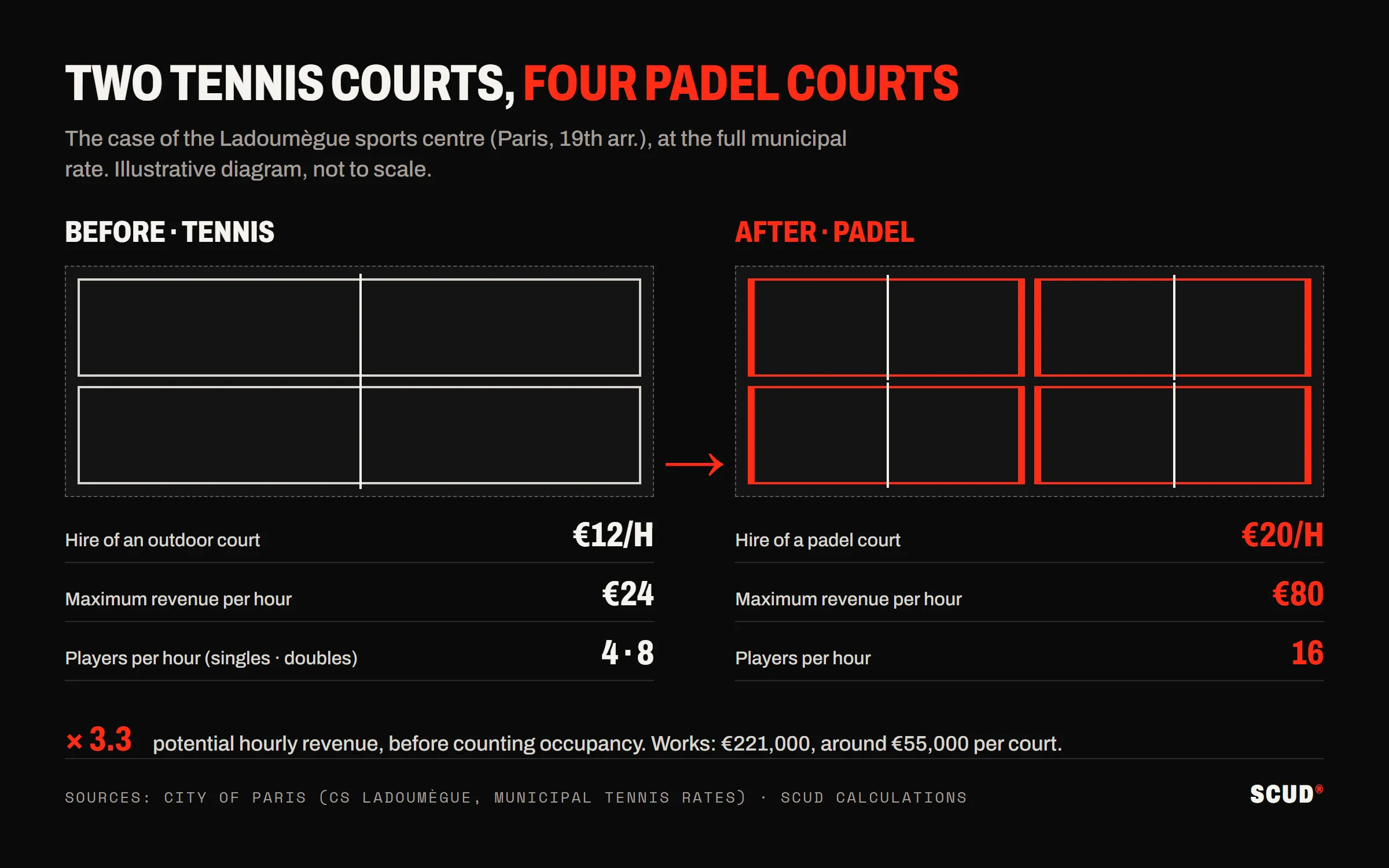
The calculation is simple. Before, the City could take at most 2 × 12 = €24 an hour; afterwards, 4 × 20 = €80 an hour. That is 3.3 times more potential hourly revenue, before taking occupancy into account. Player numbers follow: 4 players an hour on two courts in singles, 8 in doubles, against 16 on four padel courts. The works come to around €55,000 per padel court, demolition and fitting-out included.
How many padel courts fit on a tennis court?
The question keeps coming up, and the short answer is: two. Djokovic claimed in 2024 that “with one tennis court, you can build three padel courts”. The ratio of surface areas almost proves him right: a padel court measures 20 × 10 m, or 200 m², while a tennis court, with the run-off areas recommended by the International Tennis Federation, takes up around 36.57 × 18.29 m, or nearly 670 m². That is three and a quarter times the surface of a padel court.
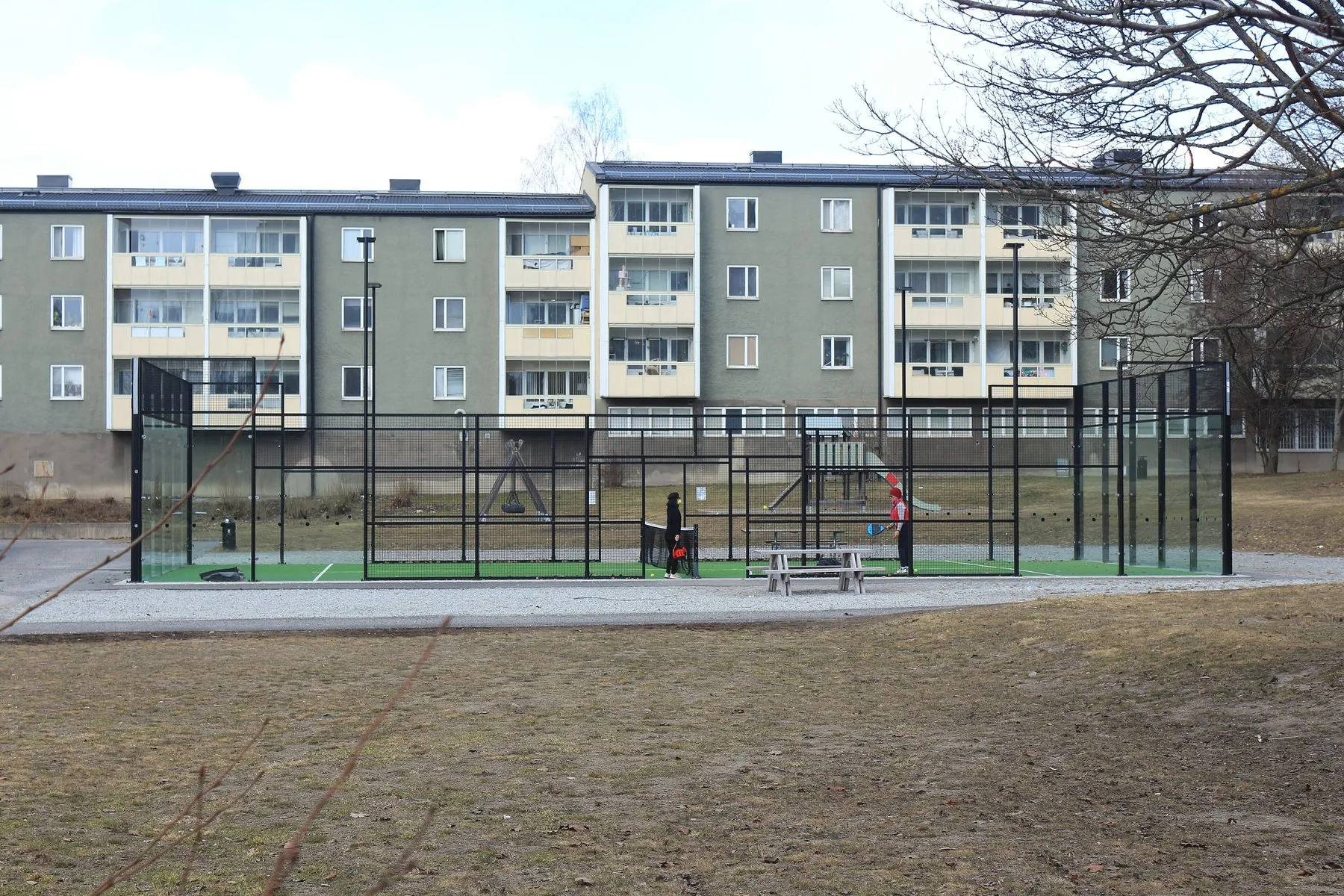
But a padel court is not a surface you can cut up at will: it is a rigid 20 by 10 metre rectangle, enclosed by glass and mesh, which has to fit, along with its posts, access points and lighting, within the shape of the existing site. In every documented French conversion (Paris, Caen, Bagnols-sur-Cèze), the result is two padel courts per tennis court. “Three for one” is a matter of surface ratio, not of what actually gets built.
Why a padel court earns more than a tennis court
Three mechanisms work together.
More players per square metre. Padel is almost always played as a four, on a court three times smaller than a tennis court with its run-off areas. On the same footprint, you therefore host many more players per hour.
Paying by the hour rather than by the year. Club tennis relies on an annual membership fee, around €300 in the clubs cited by Monaco Tribune; padel is mostly paid by the hour and per player. Guillaume Couillard, captain of Monaco’s Davis Cup team, sums it up: padel is “a real cash machine”, and tennis-only clubs are “suffering a lot”. Cecilia D’Ambrosio, quoted in the same article, adds that “padel courts are often full and tennis courts empty”.
A new audience. Padel attracts adults aged 35 to 55, often with no racket-sport background, who come as a four and book online. For a club, these are customers who take nobody’s place.
One clarification is needed: no public data measures the average occupancy rate of padel courts in France. Ladoumègue’s €80 an hour is a ceiling, not turnover: an empty court at off-peak times earns nothing.
Conversions in France: four examples
| Location | What was done | What we know |
|---|---|---|
| Paris, CS Ladoumègue | 2 tennis courts replaced by 4 padel courts | €221,000, padel courts at €20 an hour (City of Paris) |
| Caen, Tennis Club de Caen | 4 padel courts in place of 2 tennis courts, in 2026 | Fully funded by the City (City of Caen) |
| Bagnols-sur-Cèze, TC Les Roquettes | An ageing court “sacrificed” for 2 padel courts | “Adding this activity”, not “switching to padel” |
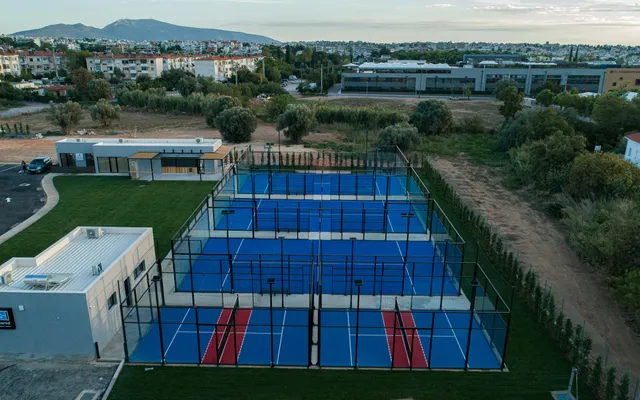
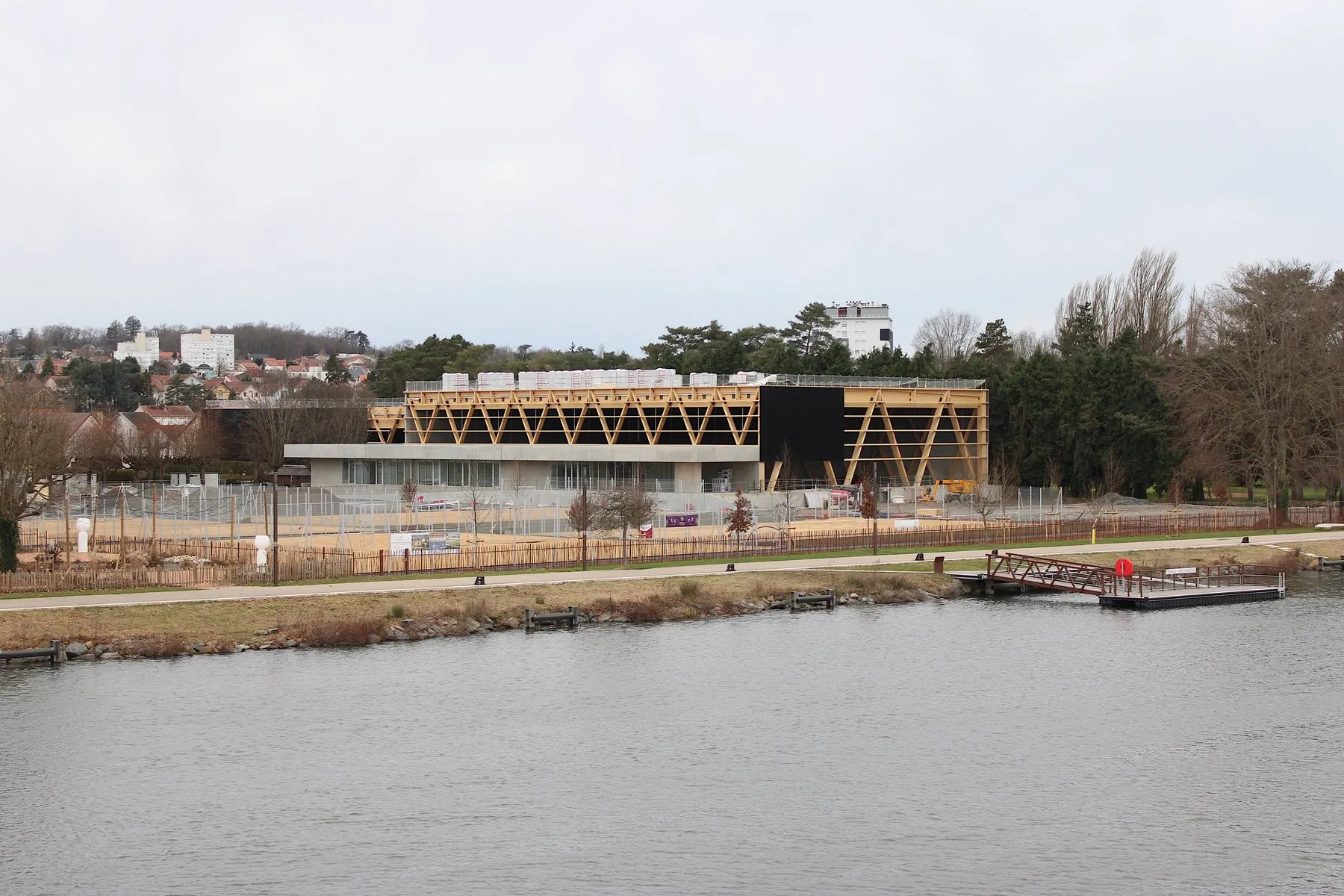
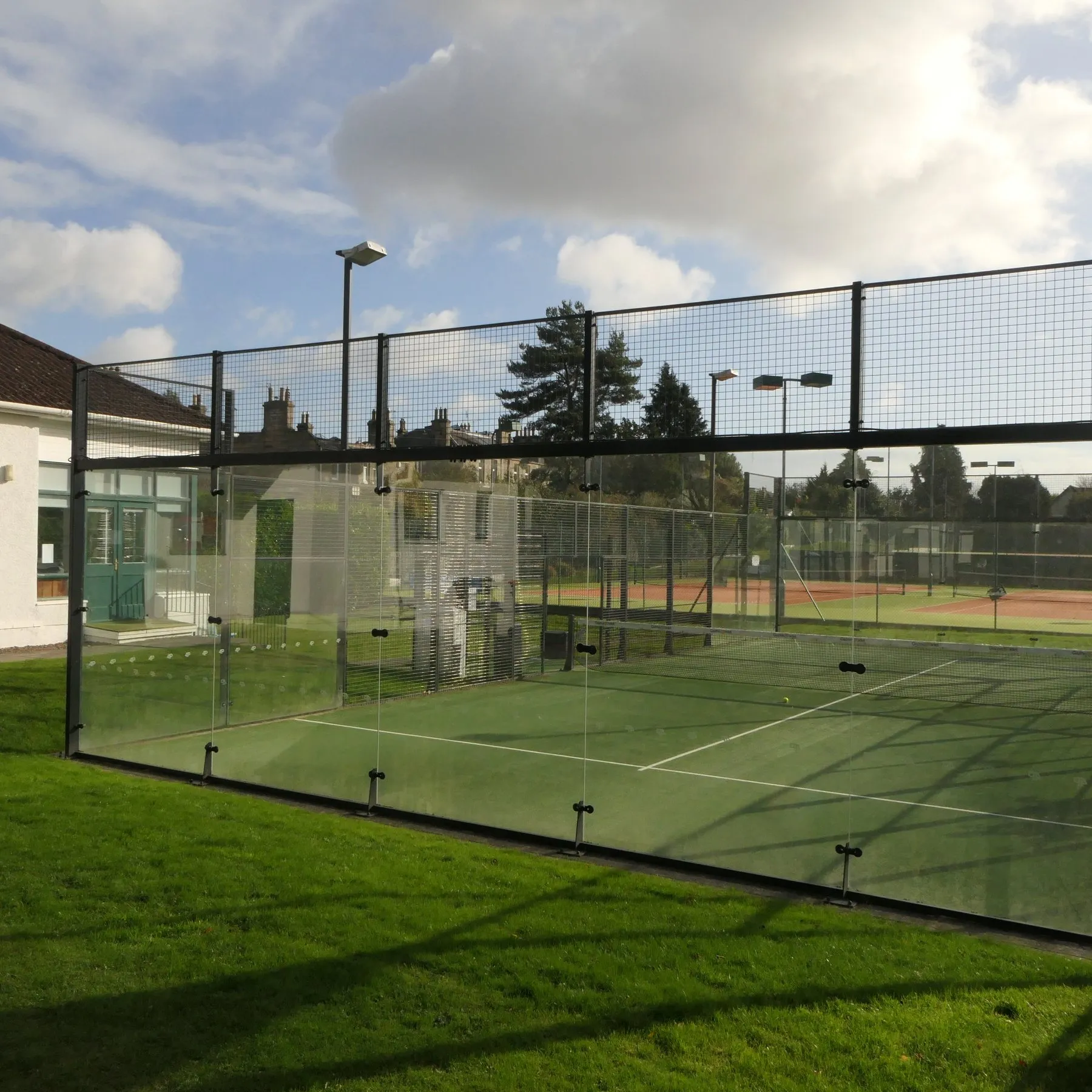
| Vichy, Sporting Tennis | Works in 2025, the club becomes Sporting Vichy Tennis & Padel | Tennis and padel now side by side (photos below) |
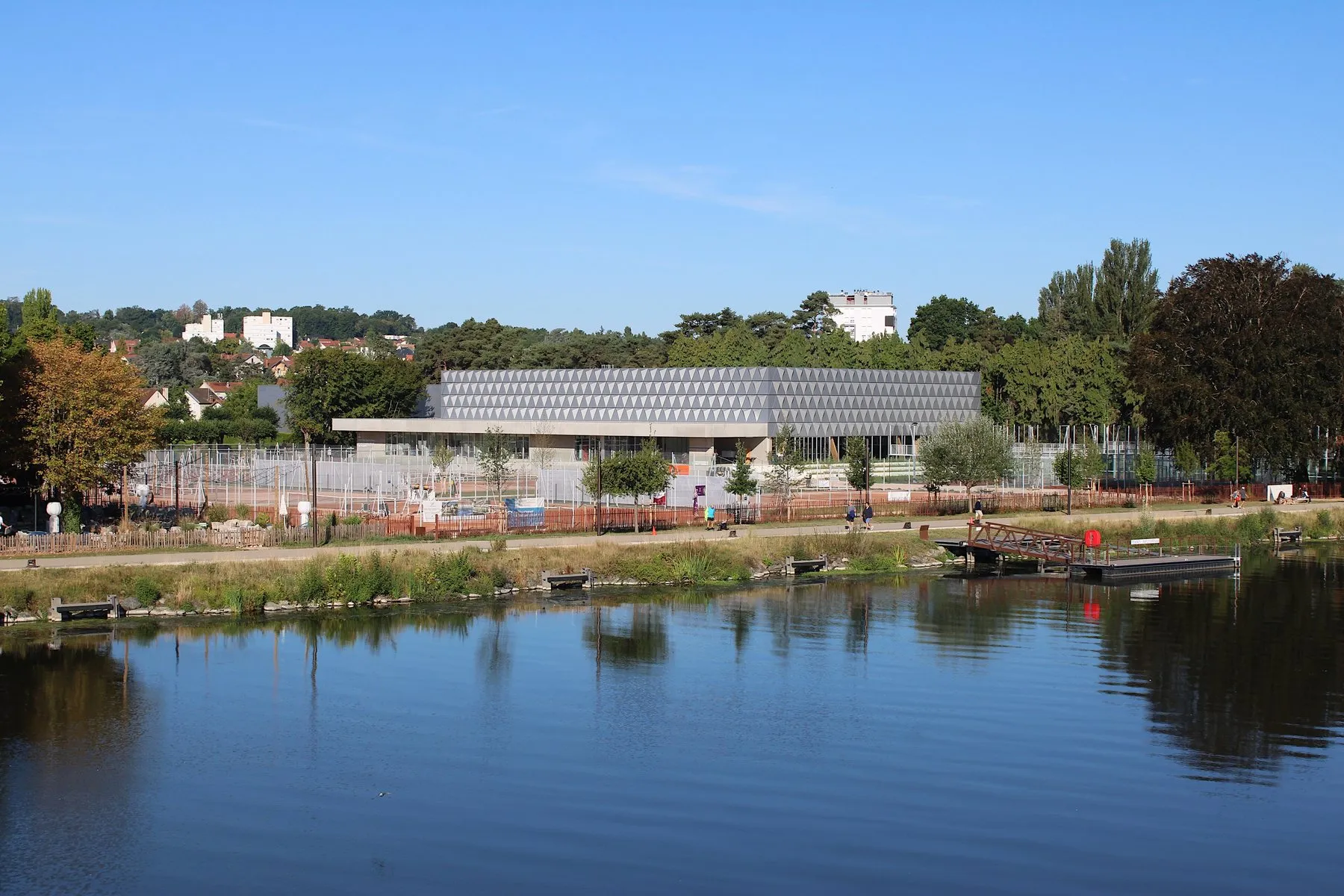
In Bagnols-sur-Cèze, the club president took care to say it: “the goal is not to switch to padel but to add this activity”. That is the most common pattern: you replace the least-used court, often the most worn, and keep the rest for tennis. The FFT (French Tennis Federation), which has run padel since 2014, supports this movement with its Boost Padel programme, which helps community clubs fund covered courts.
And what about tennis players?
At club level, a conversion can create losers: the player who used to book the removed court loses a slot, and peak hours become more contested on the remaining courts. That is the fear Djokovic expressed: “If we don’t do anything about padel and pickleball in the United States, they’re going to convert all the clubs.”
At national level, however, tennis is not in retreat. France has around 33,000 tennis courts for around 4,000 padel courts at the end of 2025, roughly one padel court for every eight tennis courts. And the FFT broke its all-time membership record in 2026, with 1,289,104 licences. We compared the two sports in detail in will padel kill tennis?, and their differences in play in padel or tennis: which to choose.
The risk: the Swedish lesson
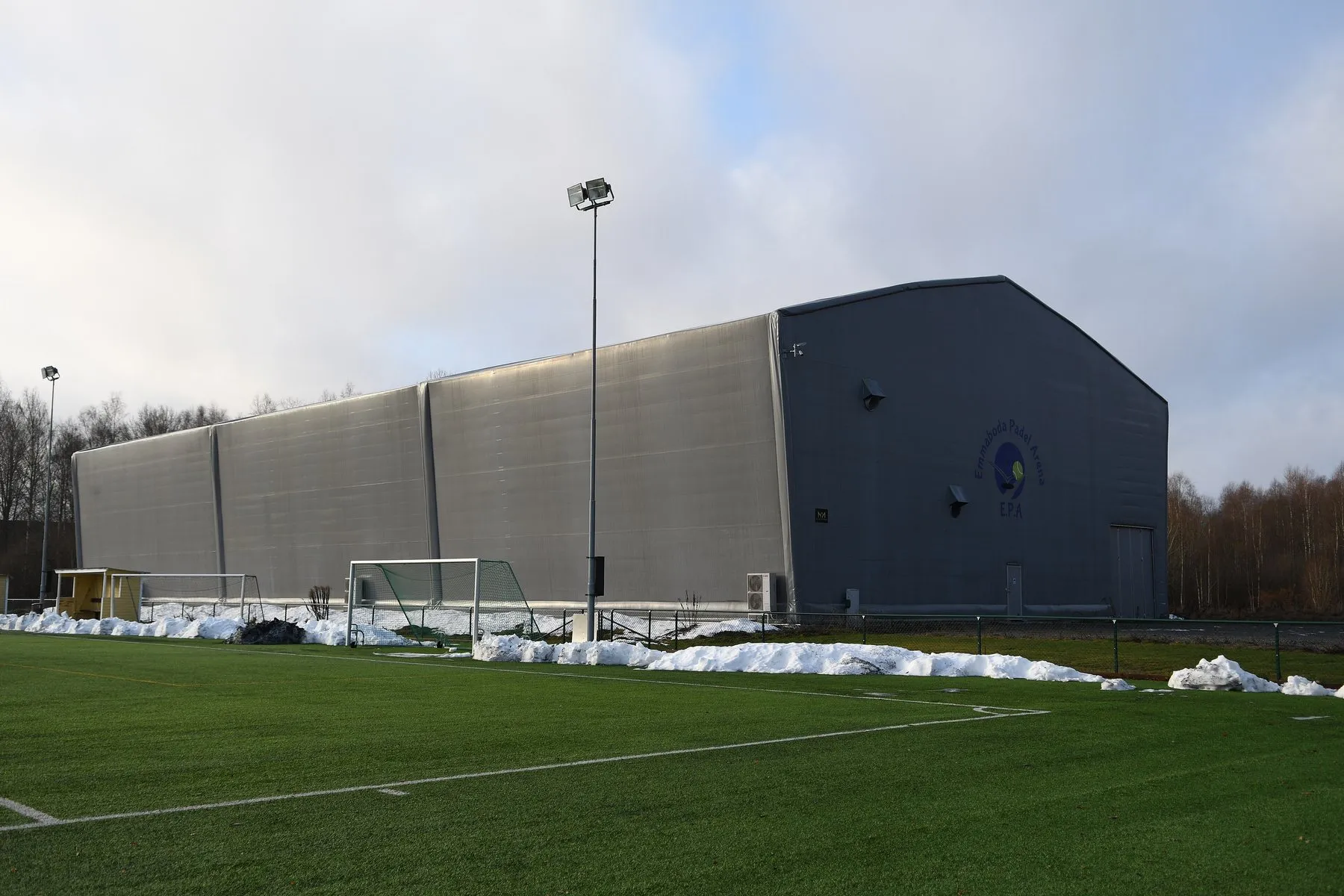
While converting a court can be a good deal, frantic court building can turn into a disaster. Sweden lived through it. Between 2019 and 2022, the country went from around 300 padel courts to more than 4,200, often in former warehouses converted into halls. Then the machine seized up: according to Creditsafe, quoted by Bloomberg, nearly 90 padel businesses went bankrupt in 2023. By the end of 2024, more than a hundred venues had closed, according to European Business Magazine; some halls became warehouses again, others supermarkets.
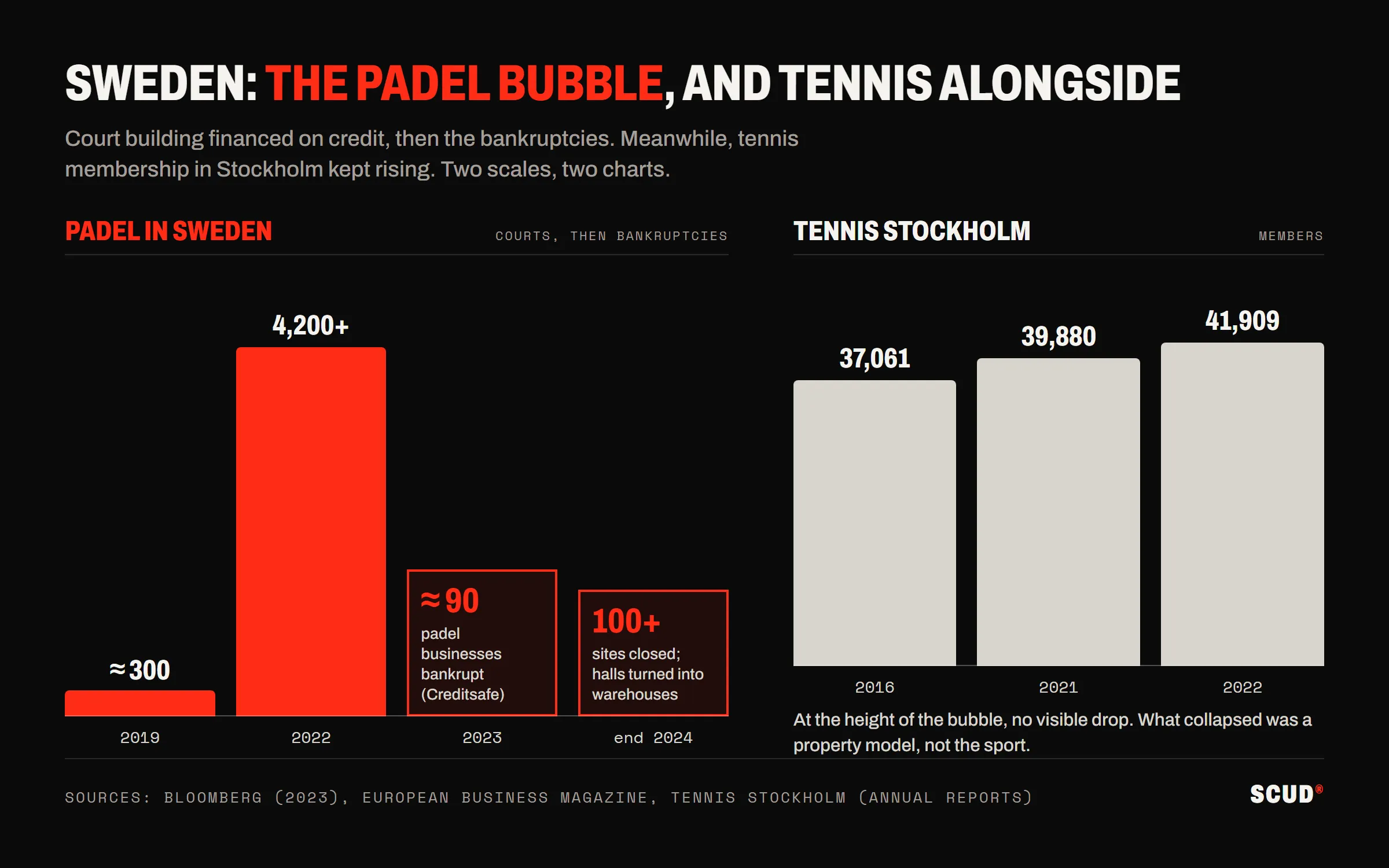
The causes put forward have more to do with finance than with sport: debt-financed expansion, a supply of square metres far exceeding demand, and soaring electricity prices in the south of the country in winter 2022, ruinous for heated, lit halls. Demand, though, did not disappear: the FIP counted more than 600,000 Swedish players in early 2024, and in 2024 Padel Zenter, Zlatan Ibrahimović’s company, even opened a very large hall in Sollentuna, against the tide.
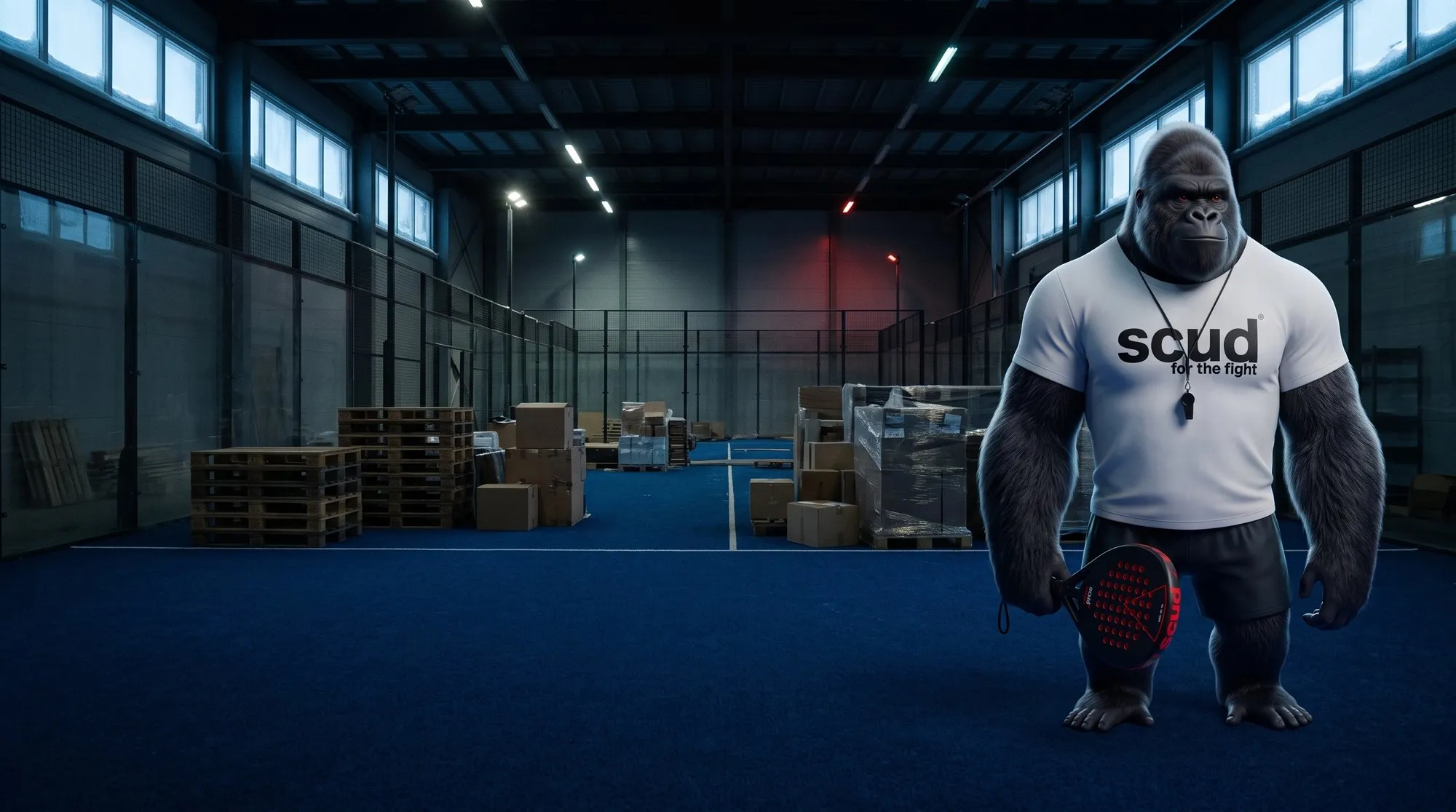
Argentina had been through the same scenario in the 1990s: courts “on every street corner”, then clubs closing and being turned into apartment blocks, car parks or five-a-side football pitches. “The first wave was mostly business,” says a witness quoted by La Gaceta. We tell the story of that era in our history of padel.
Could France see a bubble?
France is building fast: according to the 2026 Playtomic report, it is the country that added the most padel courts in the world in 2025, and the FFT reports +118% in three years. The comparison with Sweden is therefore inevitable. Two differences, however, temper the risk. First, much of the growth comes through existing clubs, often community-run, which add a few courts on land they already own; that is diversification, not a property deal. Second, the sport is overseen by a federation that draws licences from it and supports clubs.
The risk is not zero, though, especially for large private centres built on credit, whose viability depends on an occupancy rate that nobody publishes. The day supply outstrips demand in a town, they are the ones exposed, not the players. We track the figures in padel in France in figures.
Before converting a court: the questions to ask
For a club manager, the decision deserves more than a calculation of maximum revenue. A few questions, drawn from the cases above:
- What is the real occupancy rate of each court? You convert the court that sits idle, not the one members fight over on Saturday mornings.
- Does local demand for padel exist? How many centres nearby, at what price, with what waiting lists?
- Covered or outdoor? A covered court can be played all year round, but it costs more to build and to heat: Sweden has shown how heavy the energy bill can be.
- How to fund it? Own funds, local-authority support as in Caen, the FFT’s Boost Padel programme: debt is what brought down the Swedish centres.
- What do we keep for tennis? The model that works is Bagnols-sur-Cèze’s: add padel without giving up tennis.
In short
- In Paris, two tennis courts hired at €12 an hour made way for four padel courts hired at €20: up to 3.3 times more potential hourly revenue, for €221,000 of works.
- The surface ratio suggests three padel courts per tennis court; in documented French conversions, you get two.
- A padel court earns more because it hosts more players, is paid by the hour and attracts a new audience; no average occupancy rate is published.
- Sweden went from 300 to more than 4,200 courts before around 90 bankruptcies in 2023: the bubble was a property and financial one, not a sporting one.
- In France, growth comes mainly through existing clubs adding padel to tennis, with the support of the FFT.
Frequently asked questions
How many padel courts can you fit on a tennis court?
In documented French conversions, two padel courts per tennis court: Paris replaced two tennis courts with four padel courts, as did Caen. The surface ratio (around 670 m² for a tennis court with its run-off areas, 200 m² for a padel court) suggests three, but a 20 × 10 m padel court has to fit, with its access points, within the shape of the site.
How much does it cost to turn a tennis court into padel courts?
There is no reliable average figure. The only fully public case, the Ladoumègue sports centre in Paris, cost €221,000 for four padel courts in place of two tennis courts, around €55,000 per padel court, works included.
Is a padel court more profitable than a tennis court?
For the same surface, it can bring in more: in Paris, maximum hourly revenue goes from €24 for two tennis courts to €80 for four padel courts. But no public data measures the average occupancy rate of padel courts, which determines real profitability.
Why were there padel bankruptcies in Sweden?
Sweden built more than 4,200 courts in three years, often on credit, in heated and lit halls. When supply exceeded demand and electricity prices soared in winter 2022, nearly 90 businesses in the sector went bankrupt in 2023. The players, though, stayed.
Will every tennis club switch to padel?
Nothing suggests so. France has around 33,000 tennis courts for 4,000 padel courts, and the FFT broke its membership record in 2026. Most clubs add a few padel courts on an under-used court, without giving up tennis.
Sources
- Vive le padel au CS Ladoumègue
- Tennis Henry de Montherlant : tarifs
- Quatre pistes de padel au Tennis Club de Caen
- Bagnols-sur-Cèze : deux pistes de padel créées au tennis club Les Roquettes
- Le padel, une discipline incontournable pour relancer les clubs de tennis
- Novak Djokovic a peur pour l'avenir du tennis
- 2025, une saison record pour le padel en France
- Arnaud Di Pasquale, directeur du padel à la FFT
- Padel is experiencing unstoppable growth: more than 58,000 courts worldwide and 19.4 million players
- Sweden holds warning for potential crash of the $4 billion padel craze
- How Sweden's padel mania ended in bankruptcies
- Tennis Stockholm : verksamhetsberättelse 2022
- Historia del pádel en Tucumán : de la gloria al desafío de crecer como deporte
- Zlatan opens mega facility in Sweden: I believe in the sport
- Court dimensions