
Contents — 7 parts
To find a padel court near you in France, start from your town: our Find a padel court tool sorts the venues listed by the French Ministry of Sports by distance. Then check the booking apps (Ten’Up, Playtomic, Anybuddy), where most private centres are. Book an off-peak slot if you can, and come without a racket the first time: the club will lend or rent you one.
This guide covers each step: where to look, how to book, what a game costs, what to know before you go, and how to find three partners of your level.
How many padel courts are there in France?
The French Tennis Federation (FFT), which has governed padel in France since 2014, counted 4,520 courts and 1,348 clubs offering padel at the end of August 2026, up from 3,199 courts a year earlier. That is more than three new courts a day on average over the year: even if you looked six months ago, look again.
Courts are spread across three kinds of venue:
- tennis clubs, which have turned a tennis court into two or three padel courts. Membership is often required, but many open bookings to outside players;
- private padel centres, usually on the edge of town, with covered courts, a bar and group lessons. You pay per session, with no commitment;
- municipal facilities, run by the town. Some are free to use, others are booked through the town’s sports department.
Where to look for a padel court
The public census of sports facilities
The French Ministry of Sports keeps a census of every sports facility open to the public, called Data ES. Padel courts have their own category. It is the only open, free list, and it is the one behind our Find a padel court page: type your town or postcode, or let your browser locate you, and the venues appear from nearest to furthest, with the number of courts, how many are covered and a directions link.
Its limit: owners declare their own facilities, and many recent centres have not done so yet. In autumn 2026 the census lists just over 800 courts, while the FFT counts 4,520. It is reliable for municipal facilities and clubs, much less so for private centres.
The booking apps
This is where you will find the rest:
- Ten’Up, the FFT’s app, lists affiliated clubs. You book courts, enter sanctioned tournaments and follow your ranking there.
- Playtomic is widely used by private centres, in France as well as in Belgium and Luxembourg. It gives every player a level and offers open matches to join.
- Anybuddy gathers free slots from many clubs: handy to play tonight in a town you barely know.
Many centres also use their own booking software, reached from their website. If a centre shows up on a map but in no app, its website or a phone call will settle it.
Online maps
Searching “padel” on an online map shows the centres that have created a listing, with opening hours and reviews. Check the date of the latest reviews: a closed centre sometimes stays on the map.
Booking a court: how it works
A padel court is booked for one hour to an hour and a half, for four players: padel is almost always played as doubles. The price is shown for the court and split between the four, and most apps let each player pay their share.
A few tips to book well:
- Off-peak slots (weekday daytime, early afternoon) are much cheaper than evenings and weekends, and easier to get.
- Weekday evenings go early, sometimes several days ahead in big cities. Centres open their slots on a fixed schedule: ask.
- In winter, choose a covered court. A wet outdoor court becomes slippery, and most centres cancel in the rain. Our tool shows, venue by venue, how many courts are covered.
- Read the cancellation terms before paying: the free cancellation window varies from one centre to another.
Do you need a licence to play padel in France?
No, not to play for fun. A private centre rents the court by the hour, no licence needed. Some members’ clubs ask for a yearly membership, which may include padel. The FFT licence is only required to enter sanctioned tournaments and get a ranking.
Your first game: what to bring
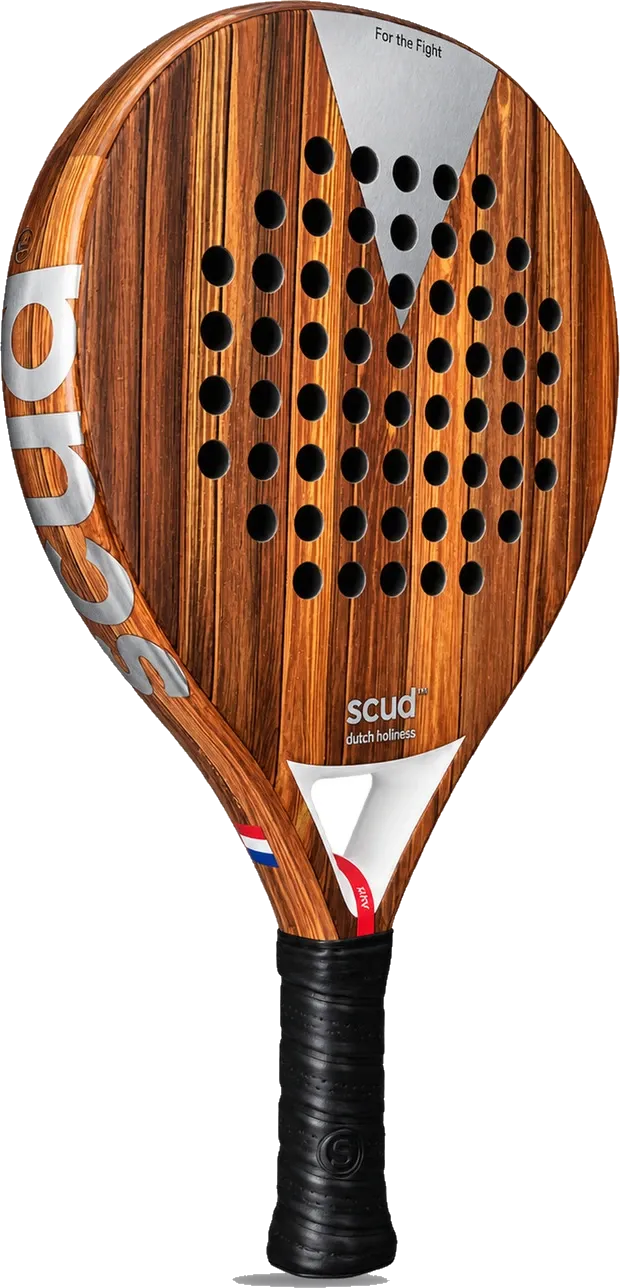
A racket? Not necessarily: most clubs lend or rent rackets at the front desk, and sell balls. A racket of your own is worth it once you play every week: you keep the same feel from one game to the next, and you choose it for your game. Our guide to learning padel covers these first steps.
The right shoes. The court is sanded artificial grass: running shoes slip on it. Padel shoes or omni-court soles are enough to start; our padel shoes guide explains which sole suits which surface.
Arrive early. Ten minutes to change and warm up: the slot you booked starts on time, ready or not.
Finding partners of your level
You need four players, and that is often harder to find than a court. Three options:
- Open matches on apps such as Playtomic: one player books, and the three remaining places are offered to players of a similar level.
- Americano evenings run by clubs: you sign up alone, change partner every round, and leave with new contacts. The rules are in our article on americano padel.
- Group lessons, which bring together players of the same level and quickly give you a group to play with again.
Frequently asked questions
How do I find a free padel court in France?
Some municipal facilities are free to use: our Find a padel court page flags them as “Free access”. They are rare, and most municipal courts are booked through the town’s sports department.
How much does an hour of padel cost?
The price depends on the town, the time and the type of court. It is shown for the whole court and split between the four players. Off-peak weekday slots cost much less than evenings and weekends.
Can you play padel with two players?
Yes, on a normal court: you can play singles, or rally to work on your shots. It is good practice, but padel is almost always played as doubles, and it really comes alive with four.
Why isn’t the club near me on your list?
Our page uses the French Ministry of Sports census of sports facilities, which owners fill in themselves. Many recent centres are not in it yet: look for them on Ten’Up, Playtomic or Anybuddy. A manager can declare their courts on equipements.sports.gouv.fr.