Contents — 13 parts
- Padel in ten dates
- Before padel: the American cousins
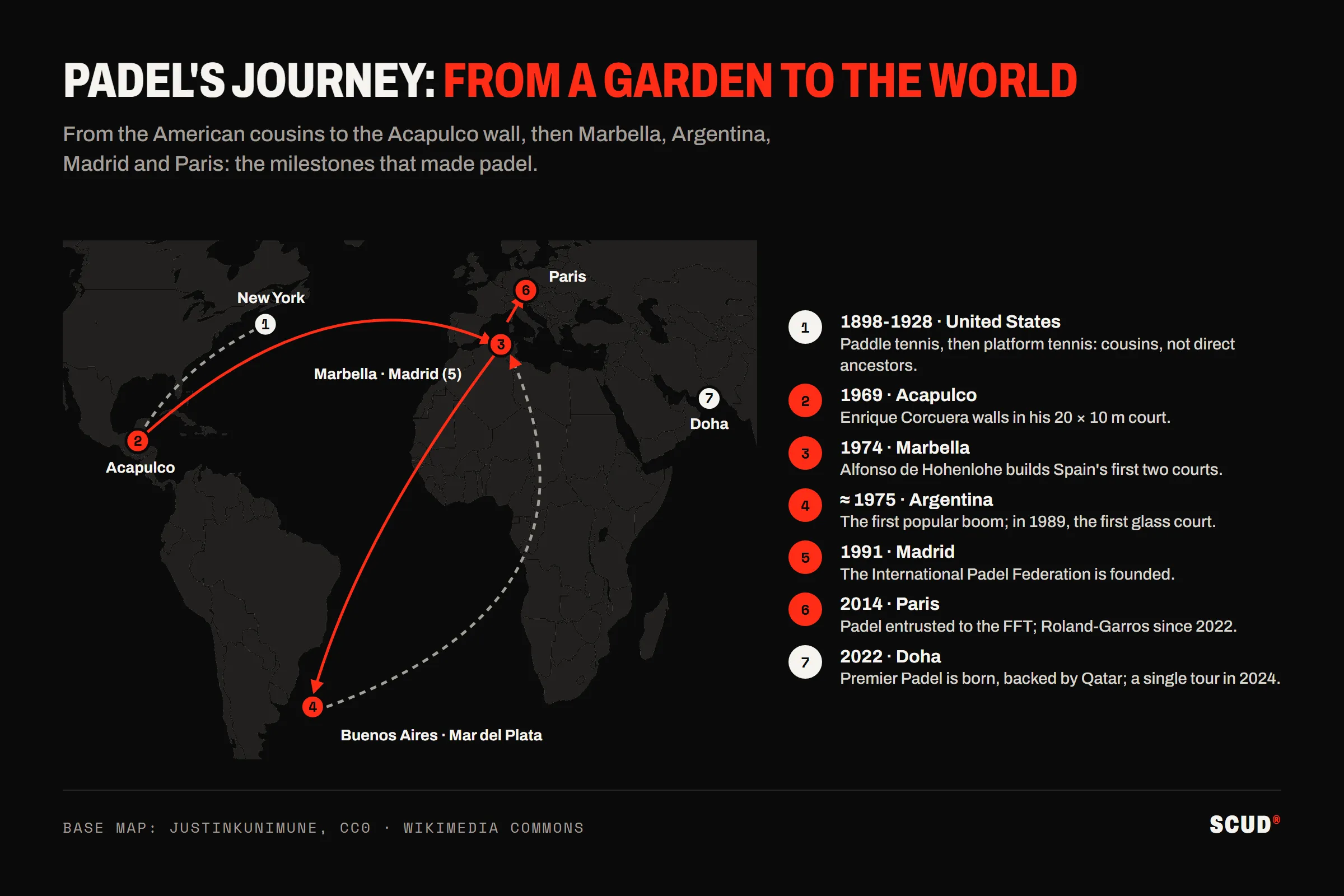
- 1969, Acapulco: a garden too small
- 1974, Marbella: the jet set takes up the game
- Argentina: first boom, first crash
- 1991-1997: a federation, a world championship, a name
- 2005-2024: the professional era
- France: from 2014 to Roland-Garros
- Today, and tomorrow
- Myths and facts
- What history has left in your racket
- In short
- Frequently asked questions
Padel was born of a lack of space. In the late 1960s, in Acapulco, a Mexican businessman wanted to play tennis at home, but his plot was too small for a court. He closed it in with walls, strung a net across the middle, and the walls became the game. Fifty-seven years later, that 20 by 10 metre court is reproduced exactly in 178 countries, and Court Philippe-Chatrier at Roland-Garros sells out to watch it.
Here is the complete history of padel, from its American cousins of the late 19th century to today’s professional tour. Every date is sourced; where the sources disagree, we say so.
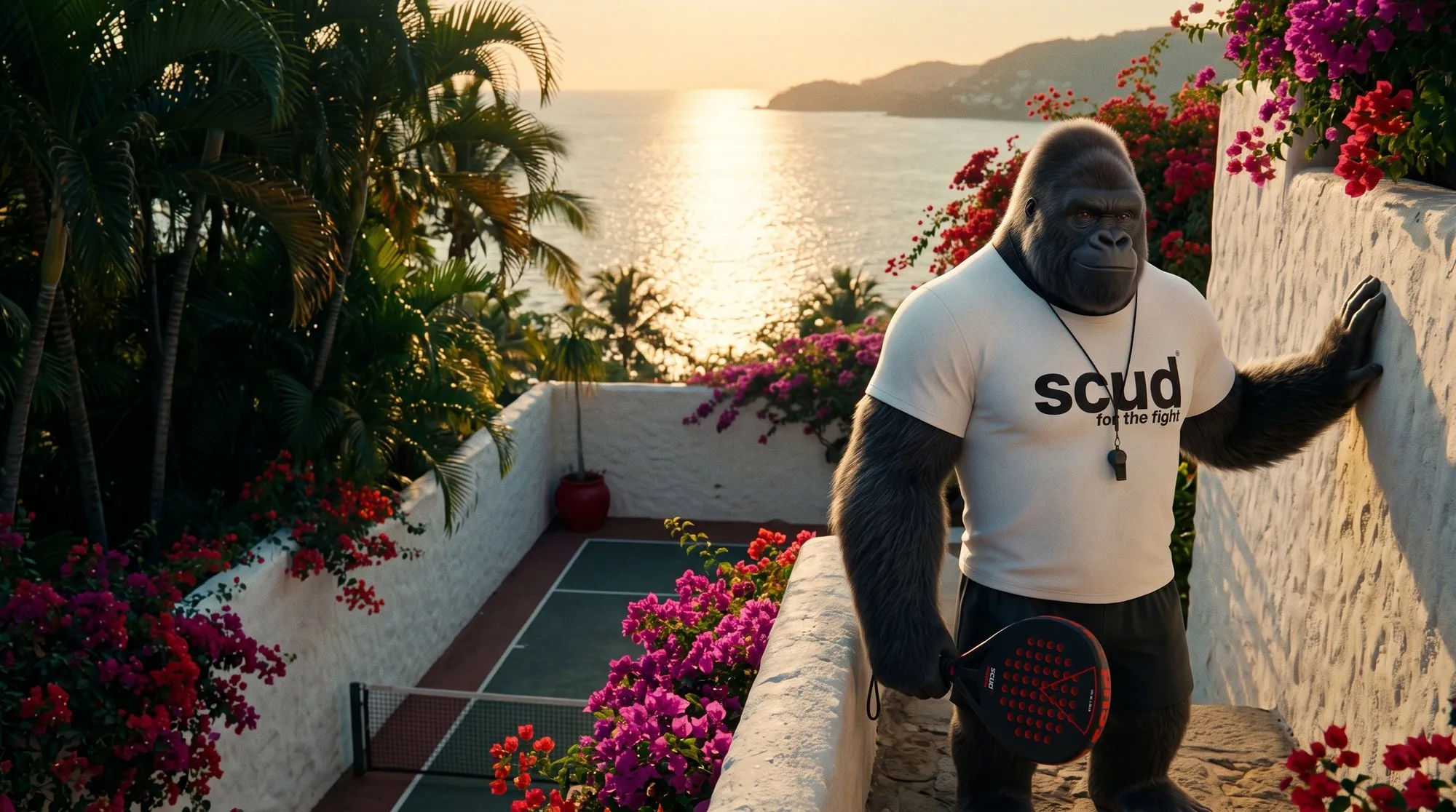
We have also told this story on video: an eleven-minute documentary, with Coach SCUD, archive footage and the same sources as this article.
The chapters: the American cousins (0:41), Acapulco, the wall (2:09), Marbella (3:38), the first Argentine boom (4:49), the rules of the game (6:15), the pro era (7:30), France (9:03) and tomorrow (9:53).
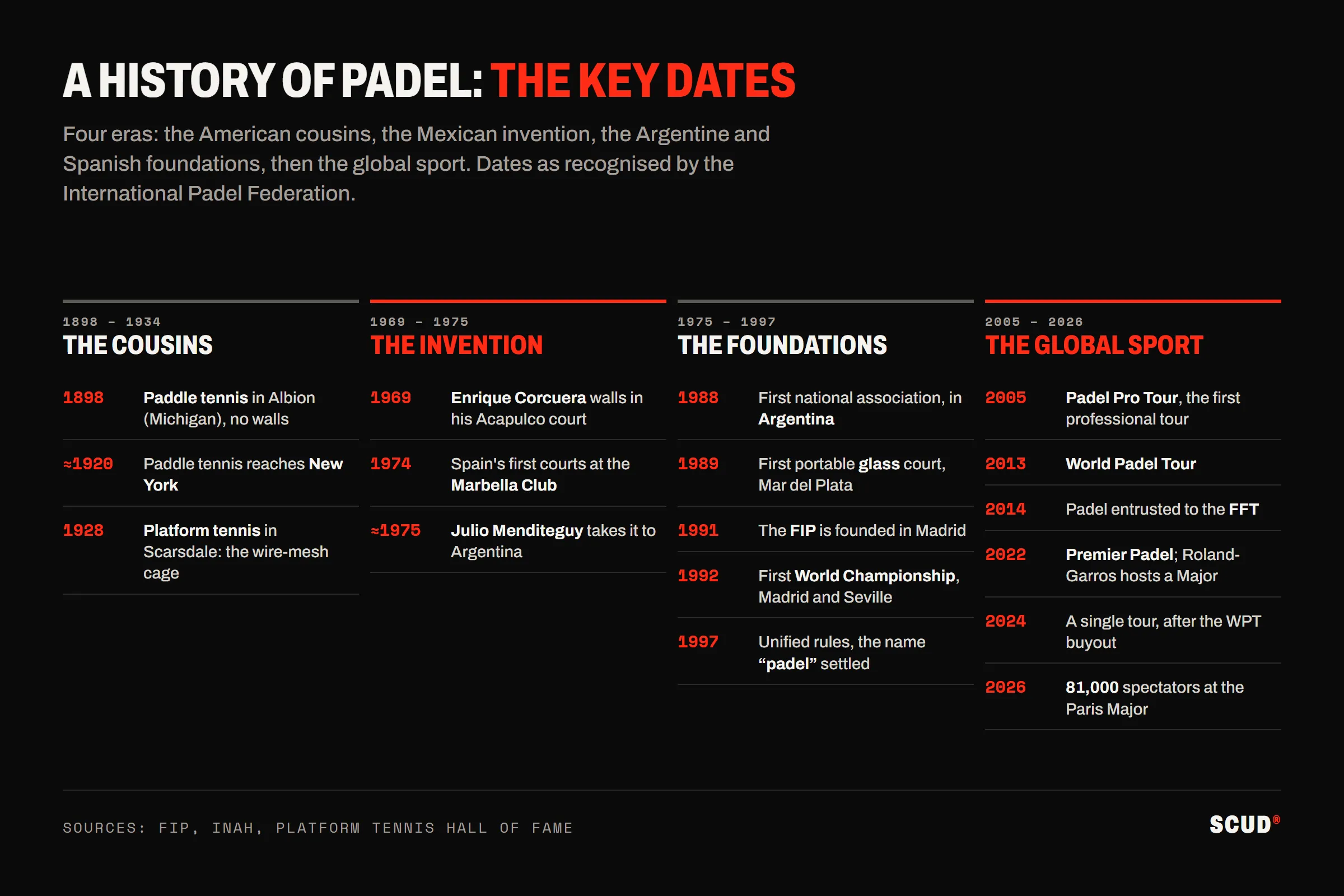
Padel in ten dates
| Year | What happens |
|---|---|
| 1898 | Paddle tennis is born in Albion, Michigan: a cousin, without walls |
| 1928 | Platform tennis appears in Scarsdale, near New York: a game in a cage |
| 1969 | Enrique Corcuera invents padel in Acapulco, according to the FIP |
| 1974 | Spain’s first courts at the Marbella Club |
| 1988 | The world’s first national association, in Argentina |
| 1989 | First portable glass court, in Mar del Plata |
| 1991 | The International Padel Federation is founded in Madrid |
| 1997 | Unified rules and the name “padel” adopted |
| 2022 | Premier Padel is born; first Major at Roland-Garros |
| 2024 | A single professional tour |
Before padel: the American cousins
Padel has cousins, not direct ancestors. The oldest is paddle tennis, born in 1898 in Albion, Michigan, on the initiative of Frank Peer Beal, who would later become a minister. It is a scaled-down tennis, played with a wooden paddle on a small court. It reached New York in the early 20th century, around Washington Square, and then the whole country. But it has no walls: a ball that goes out is lost.
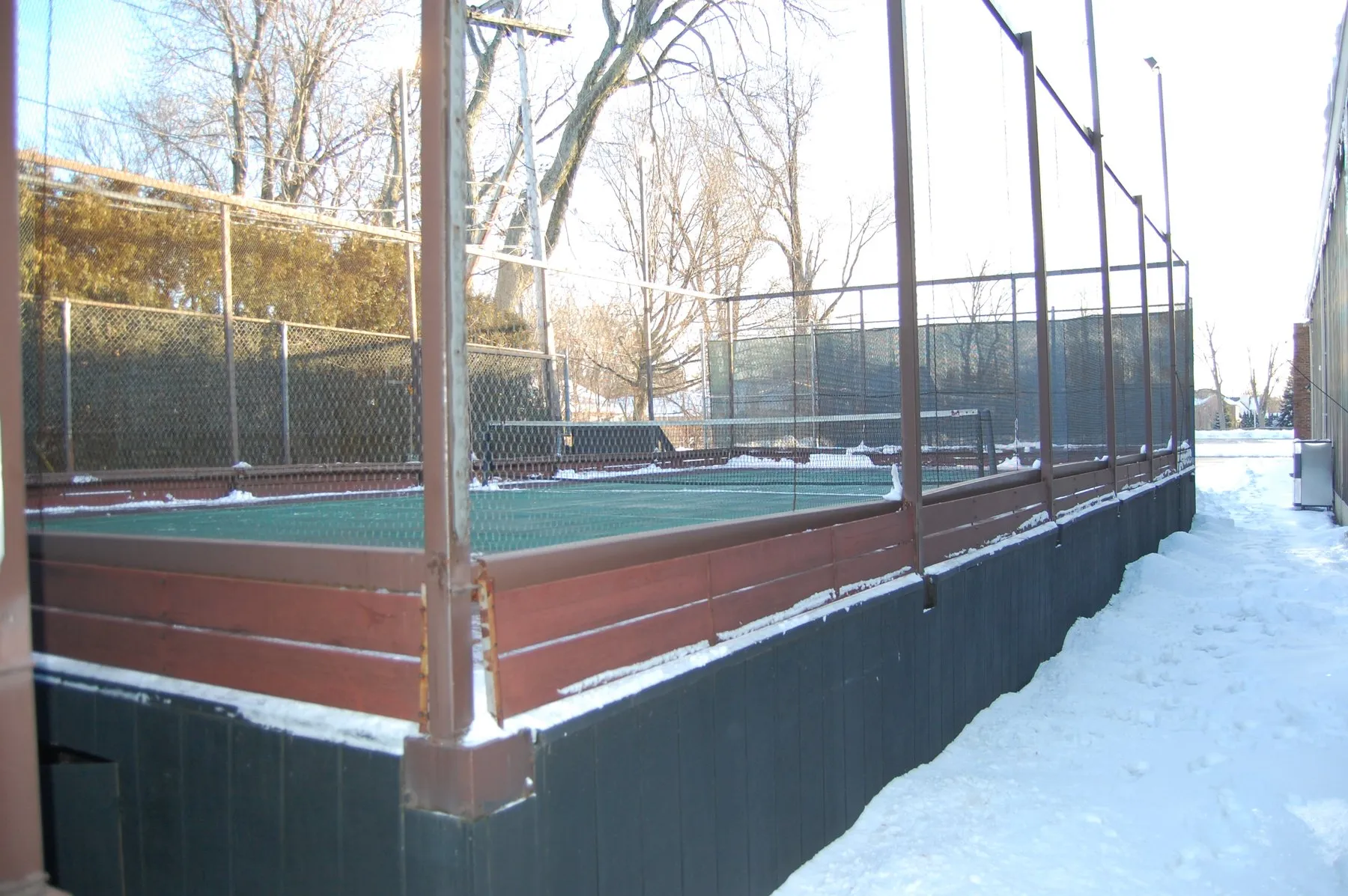
The second cousin is closer. In the autumn of 1928, in Scarsdale, north of New York, two neighbours, Fessenden Blanchard and James Cogswell, wanted to keep playing outdoors through the winter. They built a wooden platform measuring 48 feet by 20, which they soon surrounded with wire mesh. Platform tennis was born, and with it an idea that foreshadows padel: according to the Platform Tennis Hall of Fame, the ball could be played after bouncing off the mesh from the very first games.
And the British ocean liners? A widespread story has padel born on the decks of English ships, in the 19th century or in the 1920s. No archive supports it, and the dates change from one telling to the next. Modern padel, on the other hand, has a precise address.
1969, Acapulco: a garden too small
Enrique Corcuera was a businessman from Jalisco who owned a sugar mill in Estipac. According to Mexico’s National Institute of Anthropology and History (INAH), he made his first attempts on a fronton on that estate, before building the definitive court at his house in Acapulco, in Las Brisas, above the bay.
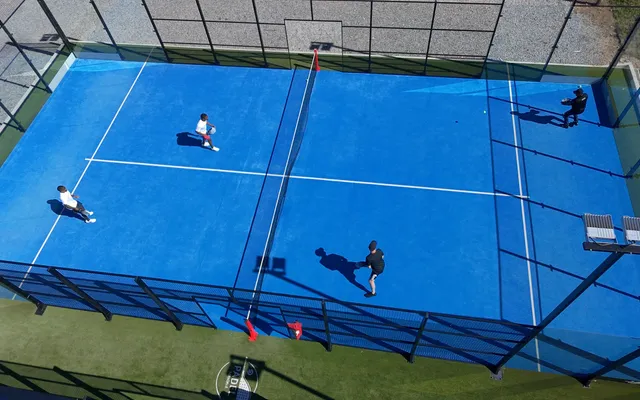
The problem was simple: he did not have room for a tennis court. So he enclosed a space of 20 metres by 10 with walls about three metres high, and strung a net across the middle. The walls were a constraint; they became the principle of the game. The ball bounces off the wall and comes back, and the rally goes on. He called his game “Paddle Corcuera”.
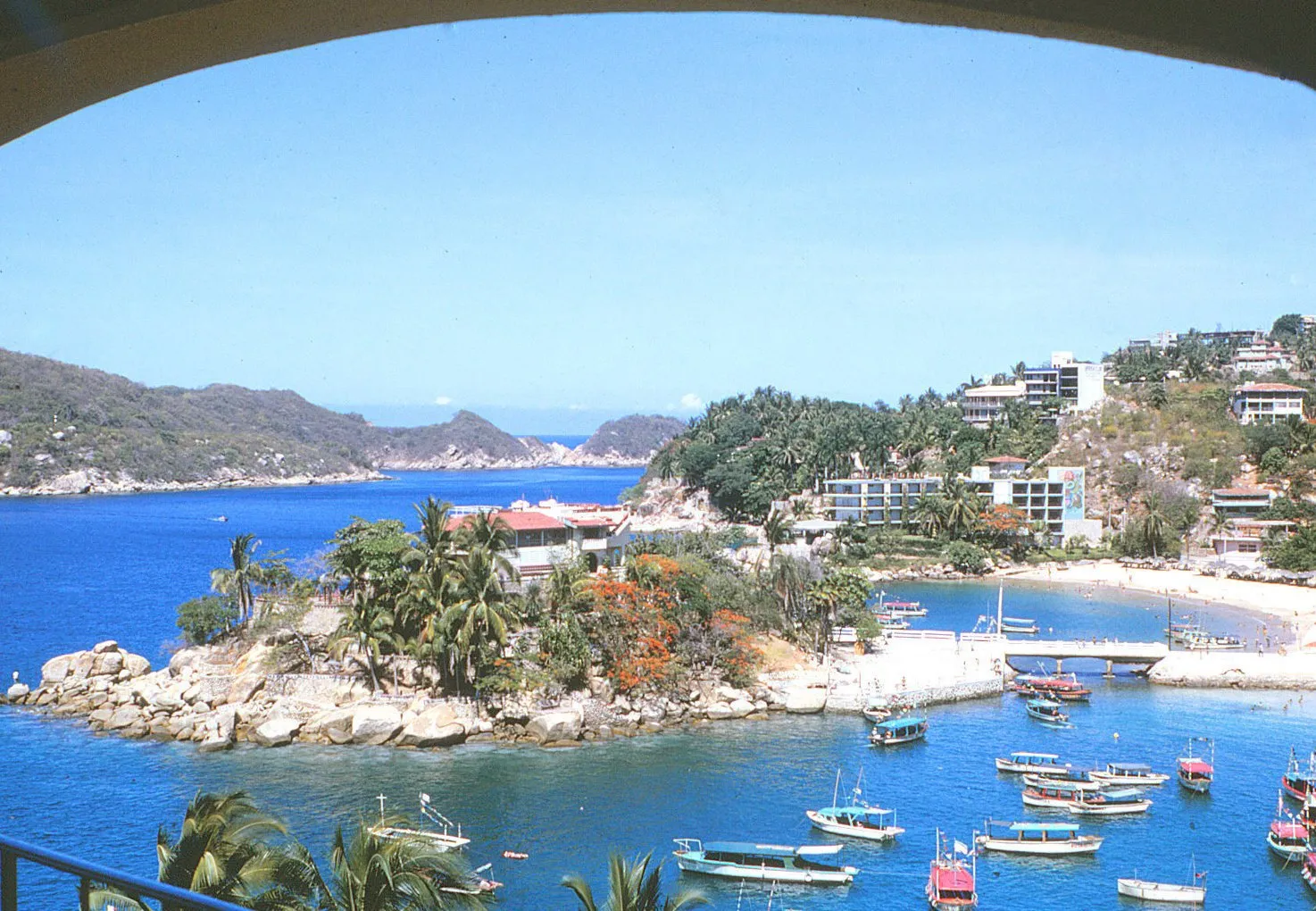
According to the International Padel Federation, it was his wife, Viviana, a former Miss Argentina, who wrote the first set of rules and gave it to him for his birthday. The story comes from the FIP; the INAH, more restrained, writes only that he was “supported by his wife, Viviana Dellavedova”.
The date is disputed. The FIP settles on 1969, and it is the most widely cited date. Spanish-language Wikipedia gives 1962 for the addition of the wall, and Corcuera’s son places the first attempts at Estipac as early as the late 1950s. The INAH sticks to “the late 1960s”. One thing is not in dispute: the dimensions of that court, 20 metres by 10, are still those of every padel court in the world.
One more detail, reported by the historian Ignacio Soto Borja in the INAH bulletin: in 1971, friends of the family brought wooden rackets heavier than those made in Mexico, drilled through the centre. The perforated padel racket, the one we still play with, comes from there.
1974, Marbella: the jet set takes up the game
Among Corcuera’s friends was a prince: Alfonso de Hohenlohe, founder of the Marbella Club, the Costa del Sol hotel where the European jet set gathered at the time. According to the FIP, he spent his summers at Corcuera’s home and left won over. In the early 1970s — in 1974 according to most sources — he had Spain’s first courts built at his hotel, adapting the court and the rules.
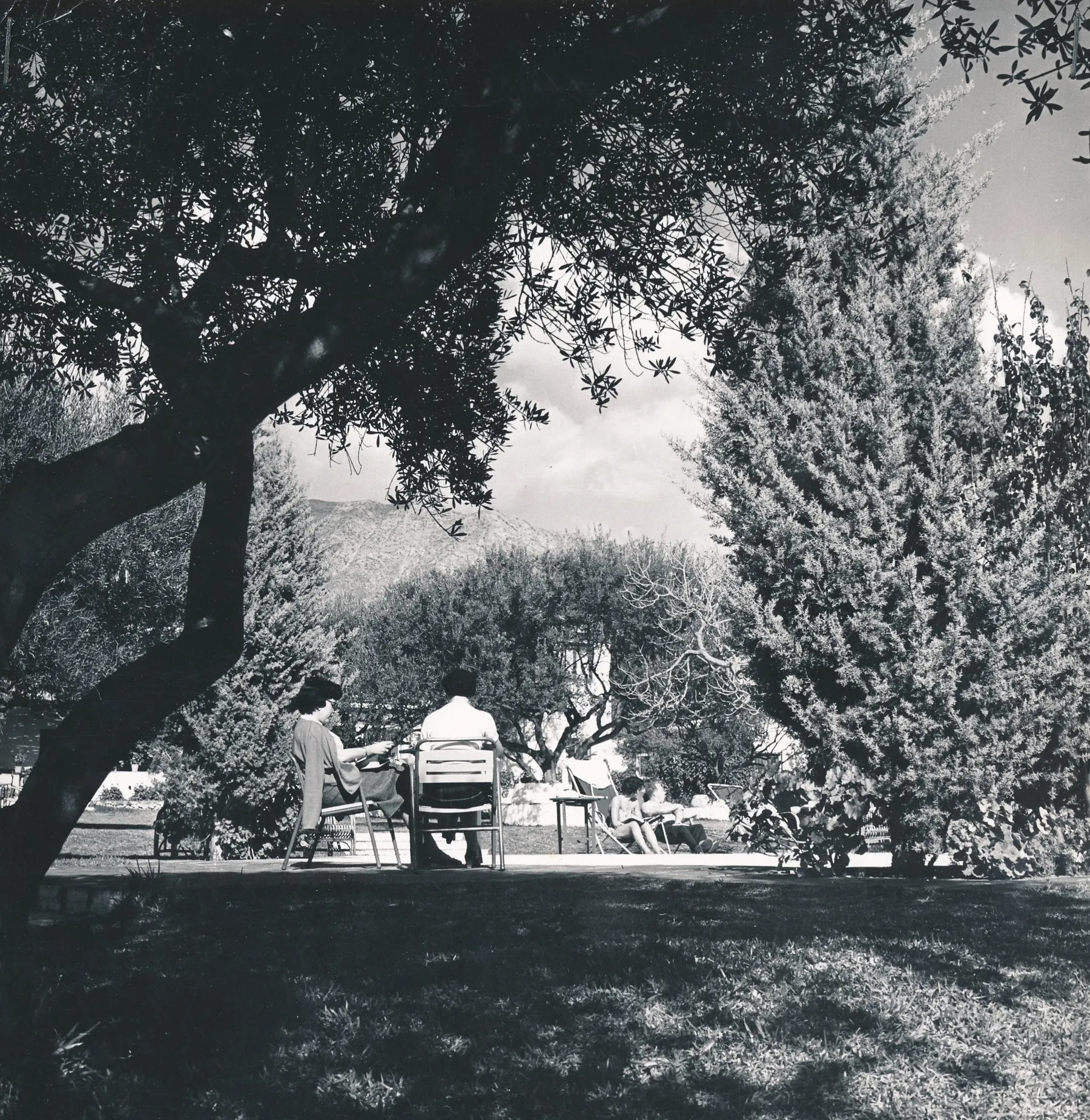
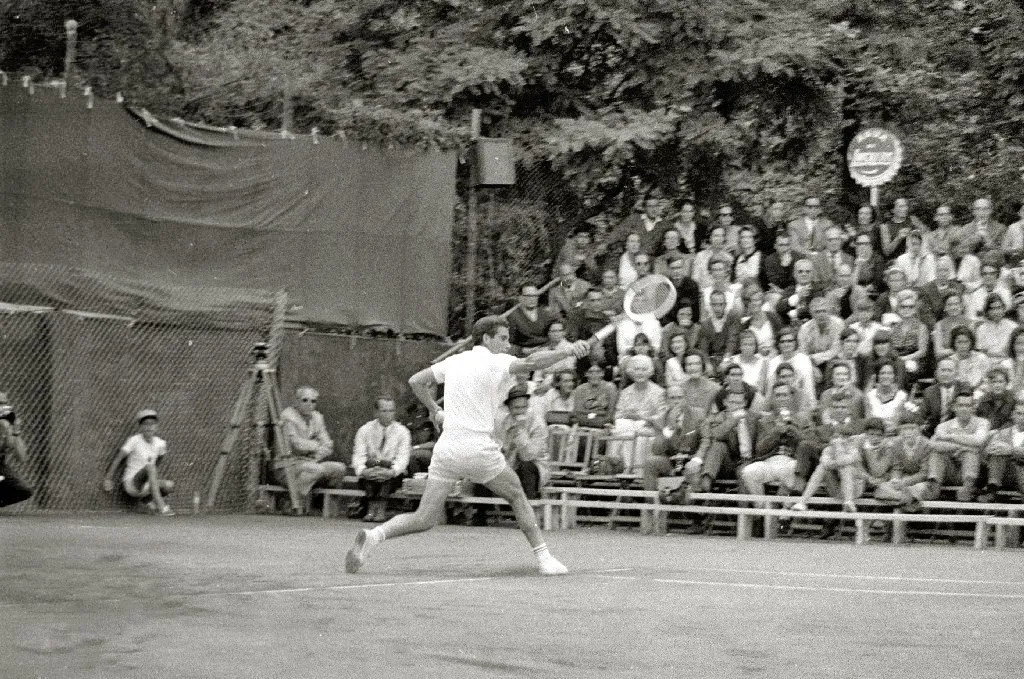
The game appealed to the club’s clientele. According to The Olive Press, a Costa del Sol newspaper, Manolo Santana, the 1966 Wimbledon champion and a leading figure of Spanish tennis, took it up and helped make it known. In Spain, padel began as a prestige sport, played in a handful of exclusive clubs. It would not stay that way.
Argentina: first boom, first crash
Among the members of the Marbella Club was an Argentine, Julio Menditeguy. In the mid-1970s, he took the game back to his country. And in Argentina, padel changed its nature: it left the private clubs for the neighbourhoods. “Between 1987 and 1995, it was a real fever,” writes Tiempo Argentino. Courts multiplied, and padel became one of the most widely played sports in the country.
Two Argentine innovations made history. In 1988, the Asociación Pádel Argentino became the world’s first national padel association. In 1989, in Mar del Plata, Jorge Galeotti designed the “Crystal Palace”, the first glass court, demountable and transportable. Concrete walls hid the game; glass shows it. Without it, there would be no televised padel.
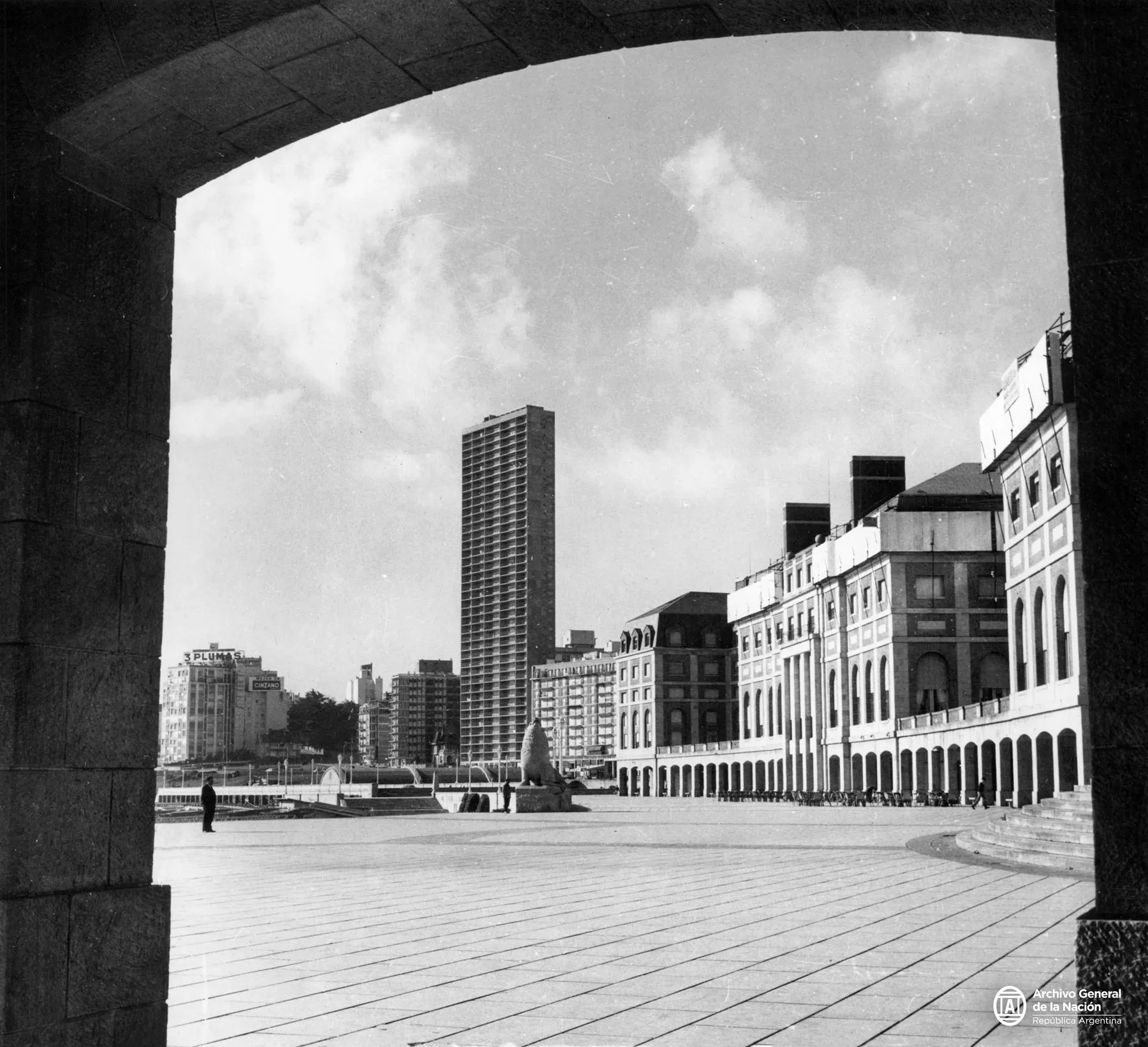
Then the wave subsided. In the mid-1990s, recession struck, courts built too quickly closed, and the big tournaments and the best players left for Spain. The often-quoted figure of “4 million” Argentine players at the time is, according to Tiempo Argentino, a myth: the exact scale of the boom was never measured. What we do know is that Argentine padel collapsed before being reborn, much later, with the current global wave.
1991-1997: a federation, a world championship, a name
To last, a sport needs common rules. On 12 July 1991, in Madrid, at the Club de Golf La Moraleja, the associations of Argentina, Spain and Uruguay founded the International Padel Federation (FIP). Its first president was the Spaniard Julio Alegría Artiach.
The following year, in 1992, the first world championship was held in Madrid, with the finals in Seville, during the World Expo. Argentina won both the men’s and the women’s events, beating Spain in the final.
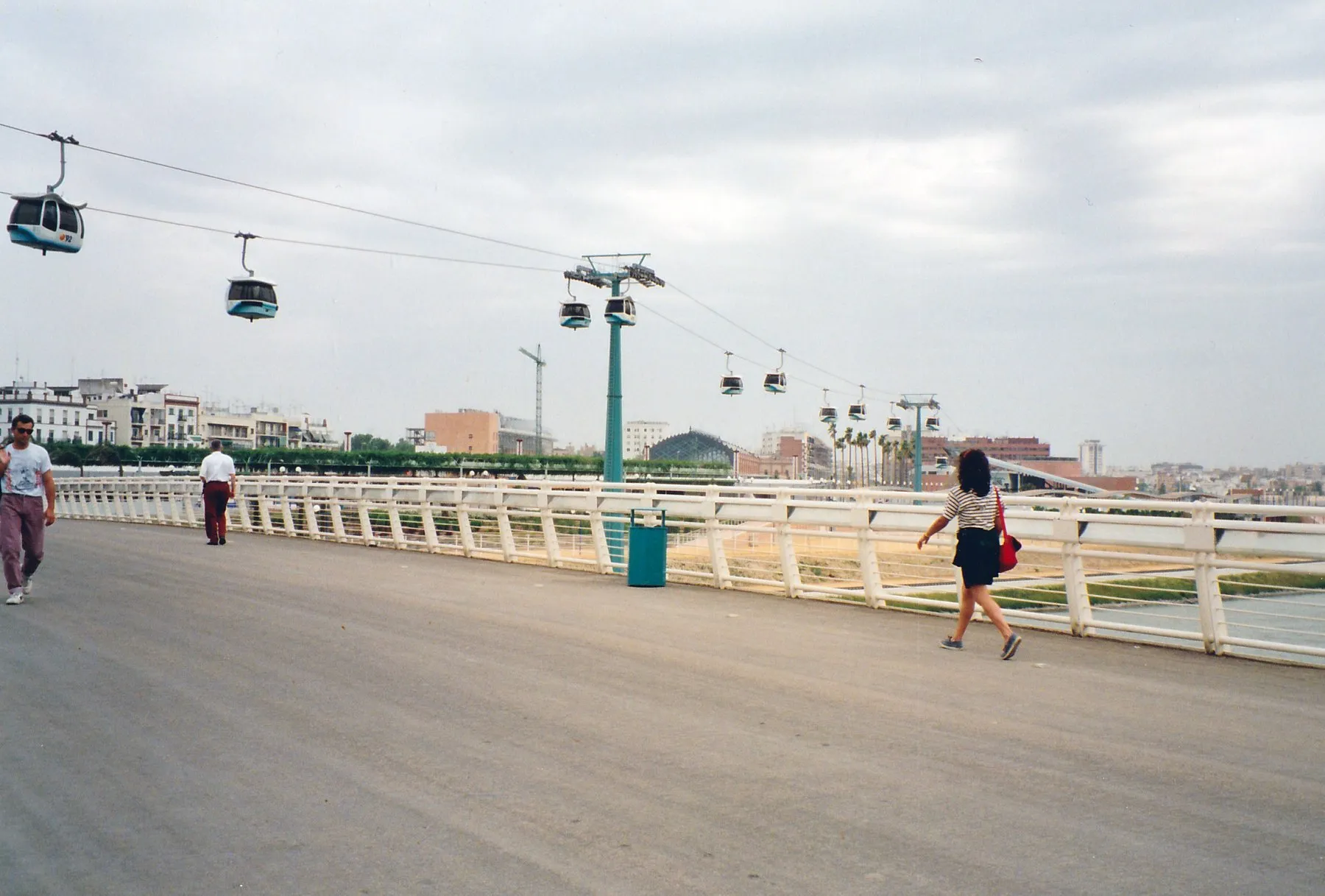
In 1997, Spain and Argentina agreed in Barcelona to unify the rules and officially fix the name: “padel”, where Argentines still wrote “paddle”. In Spanish it is written with an accent, pádel. The fundamental rules have stayed the same: the underarm serve, the net at 88 centimetres in the centre, the glass walls that are part of the game. Only the scoring at 40-40 has changed on the professional tour, with the Star Point in 2026. We go through these rules in our article on padel rules for beginners.
2005-2024: the professional era
In 2005, the Padel Pro Tour launched the first professional circuit. In 2013 it became the World Padel Tour, run by a subsidiary of the brewer Damm, which dominated professional padel for ten years.
This was the era of Fernando Belasteguín, “Bela”. The Argentine was world number 1 for sixteen years in a row, from 2002 to 2017. He had chosen never to tell his children that he was the best player in the world; his son found out in the school playground, from classmates, Infobae reports. After him came the Spaniards Juan Lebrón and Alejandro Galán, then the pairing of Arturo Coello and Agustín Tapia, formed in 2023, which still dominates the tour in 2026. In the women’s game, Ari Sánchez and Paula Josemaría spent 107 weeks at the top of the FIP ranking, until May 2025, before Gemma Triay and Delfina Brea took back first place.
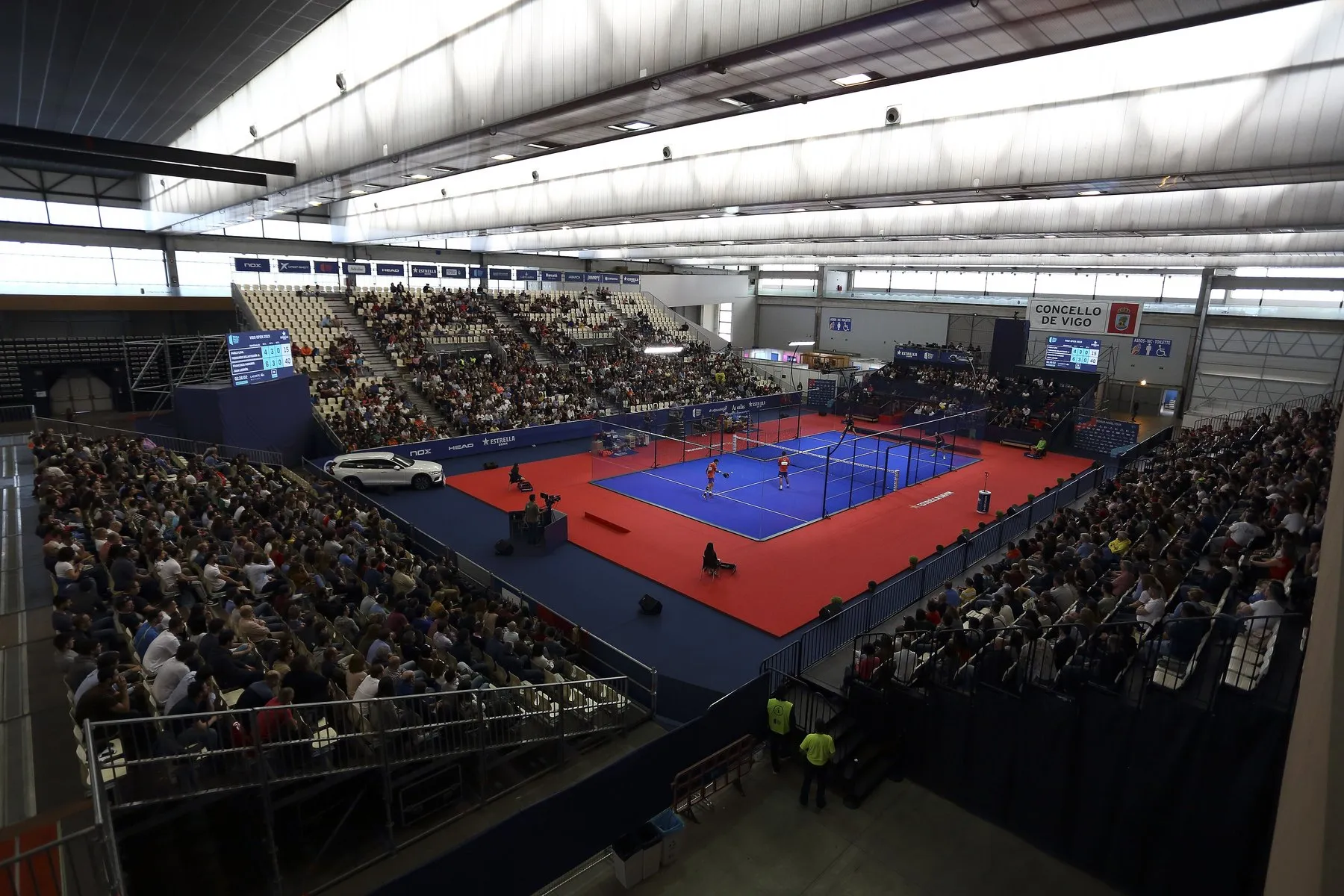
In 2022, the FIP launched a rival tour, Premier Padel, with the Qatar Sports Investments (QSI) fund. Two tours then competed for the best players. The rivalry ended on 24 August 2023: QSI bought the World Padel Tour from Damm, and a single tour, Premier Padel, took over from 2024. Its 2026 season has 24 tournaments, which we follow in our Premier Padel 2026 calendar.

France: from 2014 to Roland-Garros
In France, the Ministry of Sport entrusted padel to the FFT (French Tennis Federation) in 2014. Growth then accelerated. According to the FIP, France had around a thousand courts in 2020 and in 2024 ranked among the top five countries in the world by number of clubs, behind Spain, Italy, Argentina and Sweden. At the end of August 2026, according to FFT figures reported by Padel Magazine, the country had 4,520 courts and 150,500 padel licences.
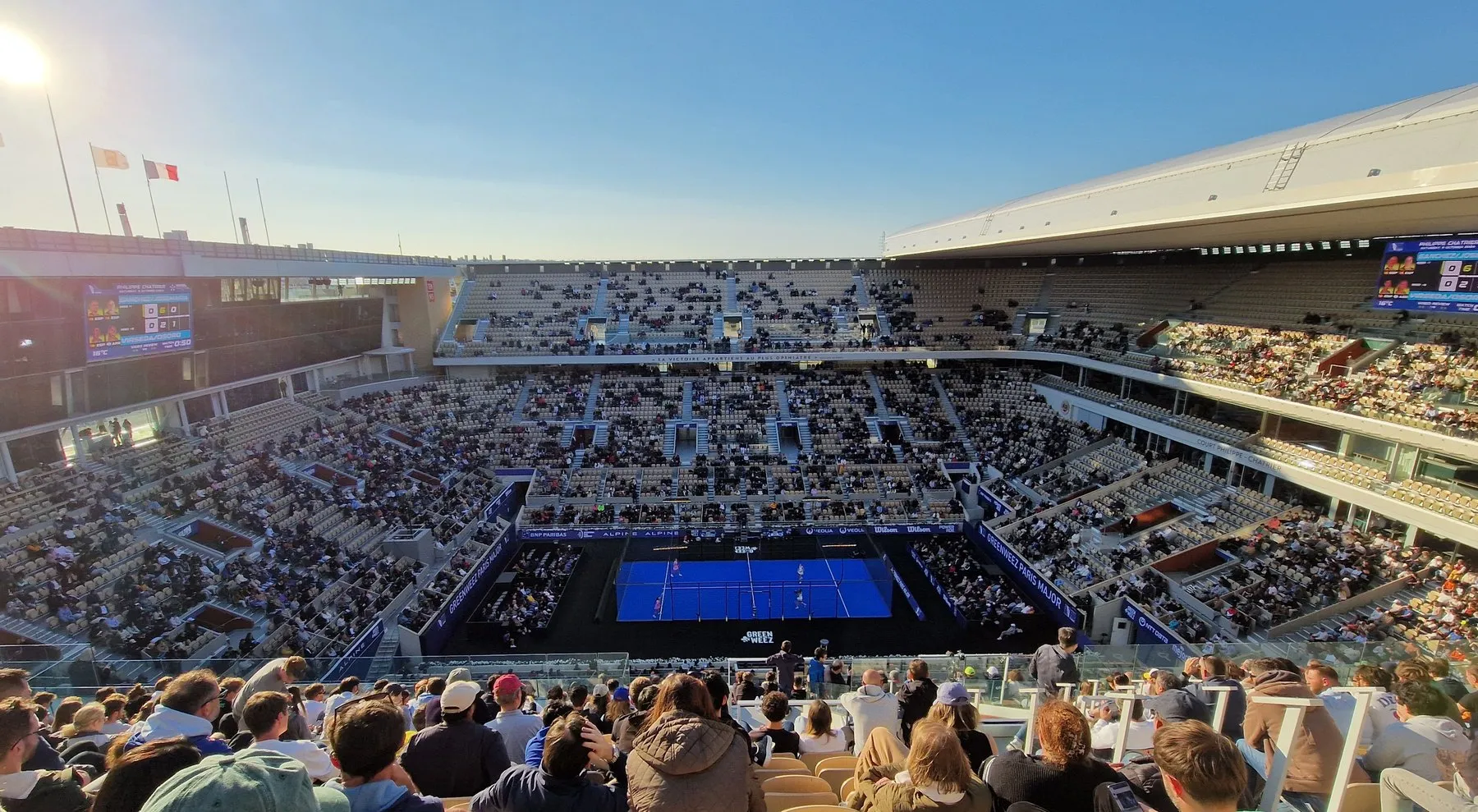
Since 2022, the professional tour has stopped at Roland-Garros every year. In 2026, the Paris Major drew 81,000 spectators, a record, and Court Philippe-Chatrier was full for the finals. We cover that edition in our Paris Major 2026 review, and the rise of French padel in our article on padel in France in figures.
Today, and tomorrow
How many players are there today? The figures differ by a factor of two. In June 2026 the FIP announced 38 million players in 178 countries and territories, and 85,000 courts. The 2026 Playtomic report, produced with PwC, is more cautious: it counts 19.4 million players and 58,300 courts at the end of 2025, with nearly 22 new courts a day built around the world in 2025. Either way, the growth is spectacular.
Then there is the Olympic goal. Padel made its debut at the European Games in Kraków in 2023 and at the Asian Games in Aichi-Nagoya, in September and October 2026, after the FIP was recognised by the Olympic Council of Asia. It is not, however, on the programme of the Olympic Games: the FIP is aiming for future inclusion, but no decision has been taken.

Myths and facts
| What you hear | What the sources say |
|---|---|
| “Padel was born on British ocean liners.” | No archive supports it. Modern padel, with walls that are part of the game, is Mexican. |
| “Padel is a Spanish sport.” | It was born in Mexico. Spain gave it its institutions and its tour, Argentina its first boom and the glass court. |
| “Padel is a recent fad.” | It is more than fifty years old, has had a world championship since 1992, and has already been through a boom and a crash in Argentina. |
| “There were 4 million players in Argentina in the 1990s.” | A figure that was never measured, described as a myth by the Argentine press. |
| “Padel will be Olympic.” | Nothing has been decided. It features at the European and Asian Games, not at the Olympic Games. |
What history has left in your racket
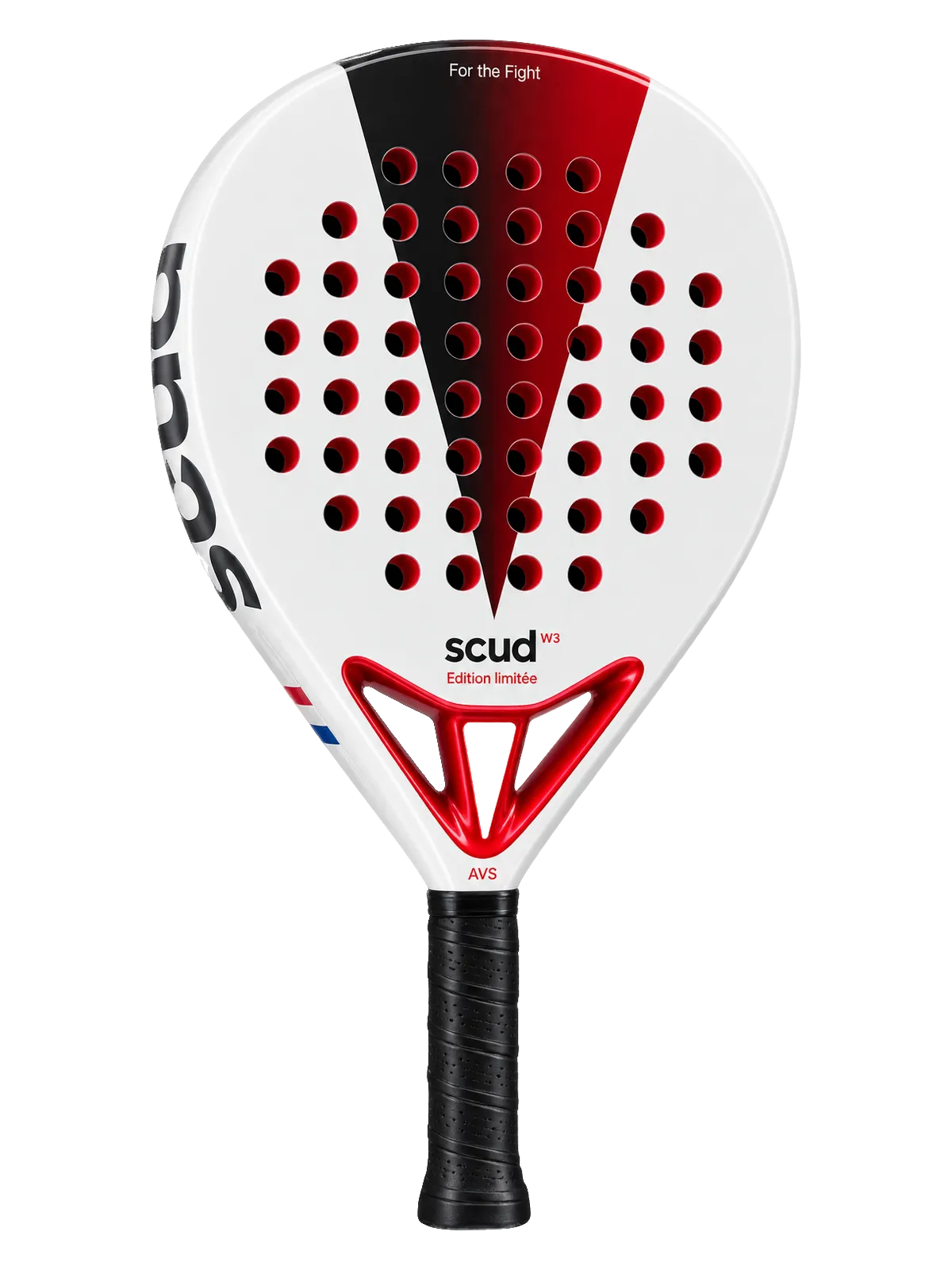
From Corcuera’s Acapulco, padel has kept the court dimensions, the walls and the solid racket, perforated in the centre. The wooden palas of the 1970s gave way to fibreglass and then carbon, and foams replaced solid wood; we tell that story in our article on how a padel racket is made.
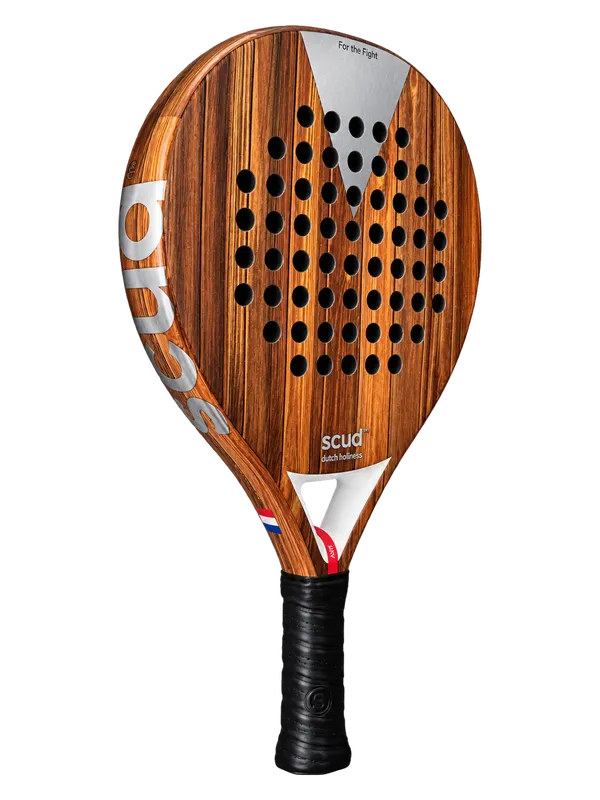
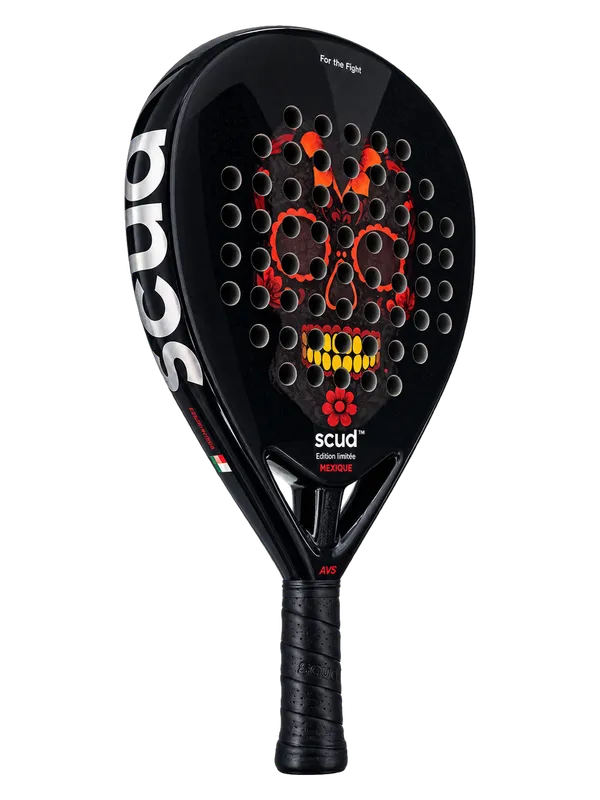
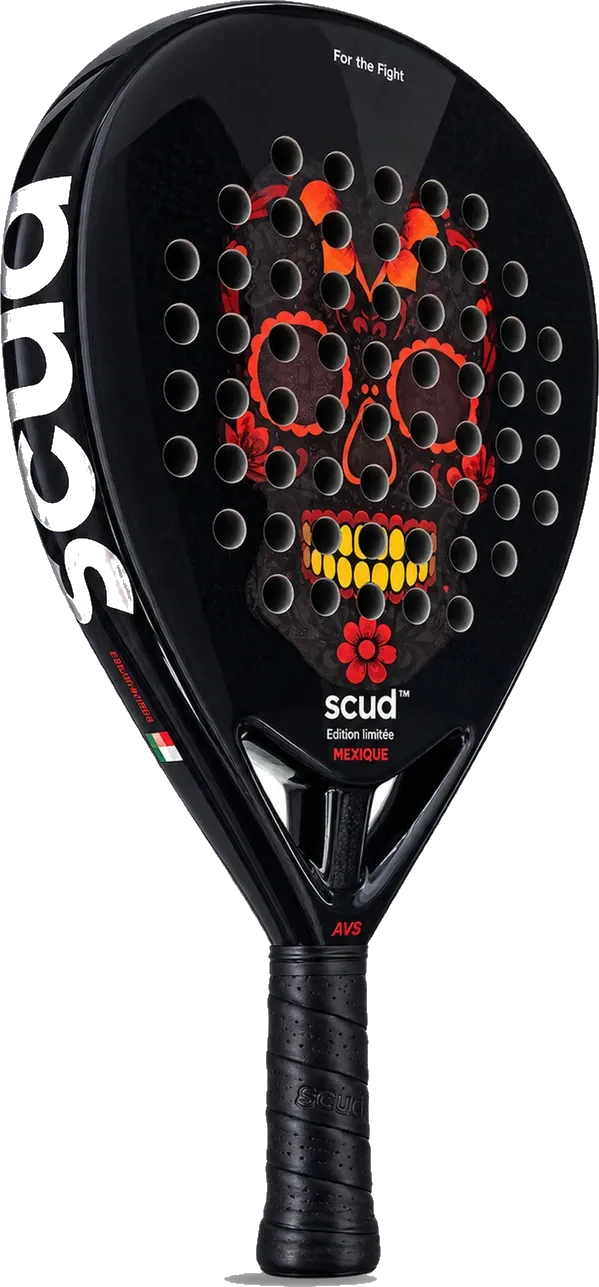
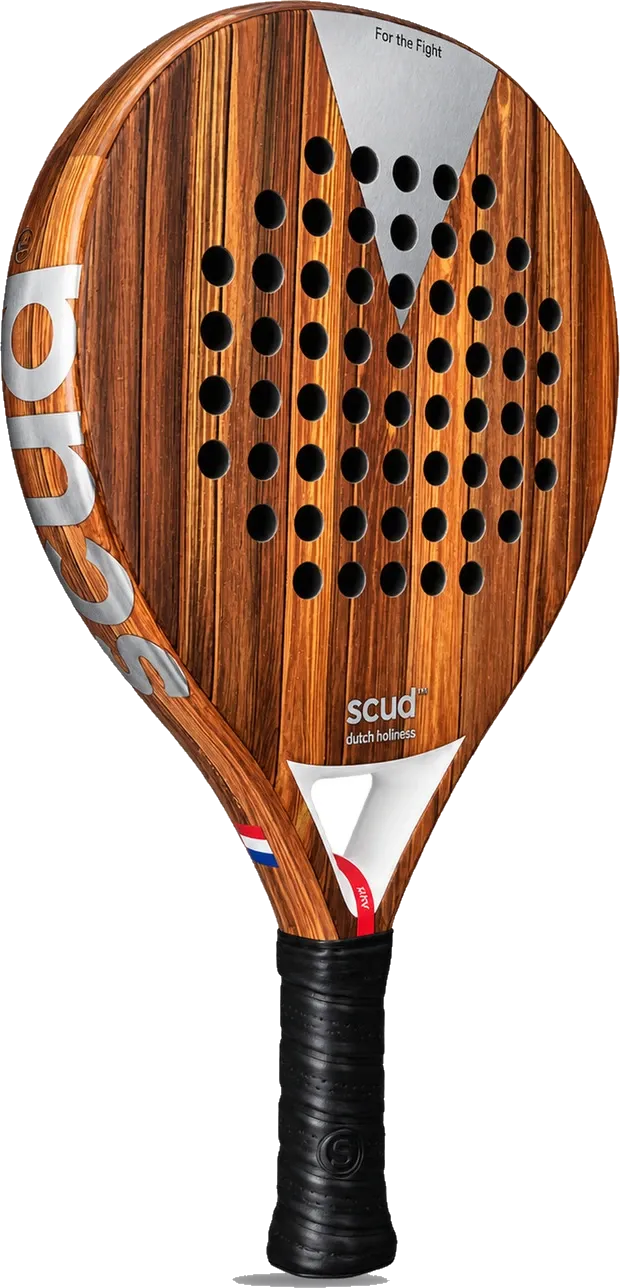
At SCUD, two rackets look back to those origins. The SCUD Wood W1 has a wood finish that recalls the first palas, on a modern construction of 12K carbon and fibreglass. The SCUD Mexique M1, with its Día de los Muertos artwork, celebrates the country where it all began.
In short
- Padel was born in Acapulco in the late 1960s (1969 according to the FIP), because Enrique Corcuera lacked the space for a tennis court.
- Its cousins are American: paddle tennis (1898) and platform tennis (1928), which already played off the wire mesh.
- Alfonso de Hohenlohe brought it to Spain in 1974, Julio Menditeguy to Argentina in the mid-1970s.
- Argentina invented the glass court (1989); the FIP was founded in Madrid in 1991; the rules and the name were unified in 1997.
- The professional tour, born in 2005, has been unified since 2024 under the name Premier Padel; France has hosted a Major at Roland-Garros since 2022.
Frequently asked questions
Who invented padel?
Enrique Corcuera, a Mexican businessman, at his house in Acapulco. He enclosed with walls a plot that was too small for tennis. The FIP dates the invention to 1969; other sources mention attempts during the 1960s, or even the late 1950s.
Why is padel played with walls?
Because Corcuera’s plot was too small for a tennis court: he closed it in with walls about three metres high. The walls, a constraint at first, became the principle of the game, since the ball can be played after bouncing off them.
Where does the word “padel” come from?
From the English paddle. Argentines wrote “paddle”; in 1997, Spain and Argentina officially fixed the name “padel”, written pádel in Spanish.
When did padel arrive in France?
Its rise dates from the 2010s: a national padel league organised it from 2012, then the Ministry of Sport entrusted it to the FFT in 2014. In 2026, France has 4,520 courts and has hosted a Major at Roland-Garros since 2022.
Is padel an Olympic sport?
No. Padel was played at the 2023 European Games and the 2026 Asian Games, but it is not on the Olympic programme, and no decision has been taken for a future edition.
To discover the other sides of the sport, its numbers and its big events, explore our Padel culture page.
Sources
- History of padel
- Historia del pádel
- From Argentina and Spain to global fame: the padel passion that conquered the world
- Boletín 430 : el pádel, un deporte de origen mexicano
- The Founders
- Paddle tennis
- Pádel
- How padel tennis arrived in Spain thanks to Marbella's father figure Alfonso de Hohenlohe
- Manuel Santana
- Redención presidencial para un deporte que fue boom en los noventa
- Padel World Championship
- QSI and Damm reach historic agreement for acquisition of World Padel Tour by QSI
- Fernando Belasteguín
- Es uno de los deportistas argentinos más ganadores de la actualidad, pero no se lo contó a sus hijos
- Triay: a special victory, final with Brea and new number 1 in FIP ranking
- Focus on France: not only Roland-Garros, a country in the world's top 5 by number of clubs
- Paris Major 2026 : record d'affluence à Roland-Garros
- Padel en France : 850 000 pratiquants, 4 520 pistes, la croissance change d'échelle
- Padel celebrates Olympic Day: the numbers behind a global sport on the path to its dream
- Playtomic releases 2026 Global Padel Report
- Padel set for Asian Games debut: FIP officially recognised by Olympic Council of Asia