A padel racket does not wear out all at once: it first loses its grip, then its rebound, and sometimes ends up cracking. The moment to replace it depends less on a date than on three concrete signs you can check yourself in five minutes, and on two factors that speed everything up: how much you play and the climate. This guide gives you a simple method to diagnose your racket’s condition and decide, without throwing it away too early or playing too long with equipment that is working against you.
What actually wears in a racket
Three components age, each at its own pace.
The hitting surface goes first. The grain of the sandblast or paint erodes on contact with felt and sand. The racket gradually gives less spin. This is comfort wear, not end of life.
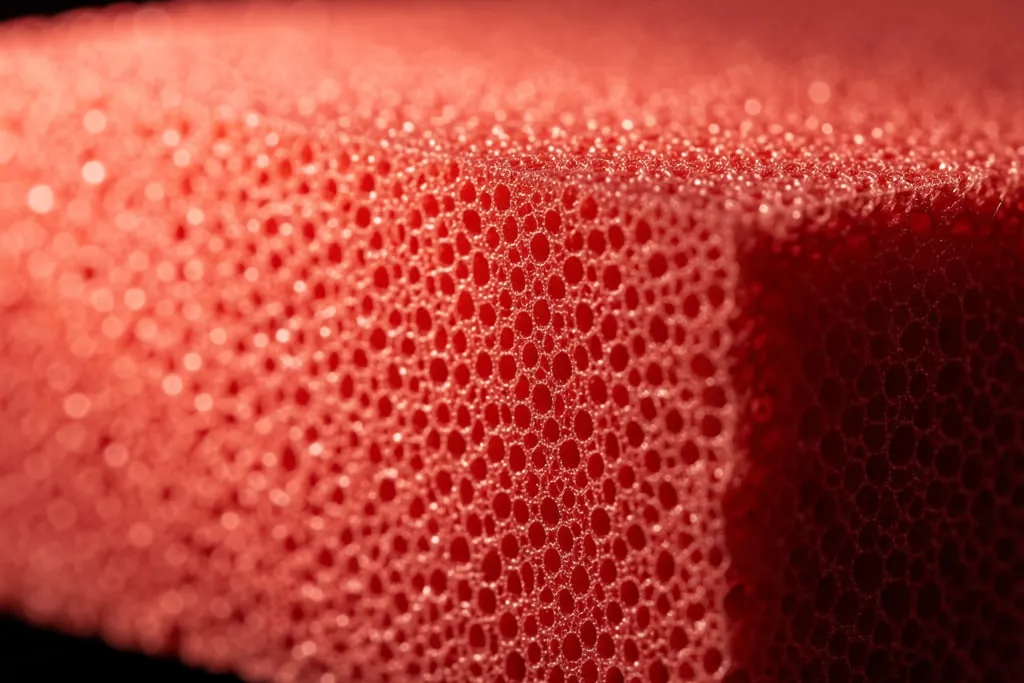
The EVA foam core compacts next. Each impact compresses the foam, which recovers its shape a little less well every time. Rebound drops, balls land shorter, the racket feels “soft”. This is the wear that really matters: compacted foam never comes back.
The shell and the bonding give way last, usually after a knock against the glass or the floor, or a heat spike. A frame crack, even a fine one, grows with every hit and eventually makes the racket dangerous.
Carbon itself, on the other hand, hardly “wears” at all: a fibre shell keeps its stiffness well beyond the life of the foam it surrounds.
Three tests you can do yourself
The thumb test
Press the face firmly with your thumb in several places: centre, top, edges. A healthy racket resists evenly. A spot that gives more than the others signals locally collapsed foam, often in the centre, where most shots land.
The sound test
Bounce a ball flat on the face and listen. A healthy racket gives a clean, even sound. A dull, muffled sound, or one that changes from zone to zone, reveals internal delamination between shell and core, or compacted foam.
The frame inspection
Hold the racket under raking light and examine the top edge, the corners and the heart junction. Look for cracks, areas where the varnish has crazed, places where the shell seems to be lifting. Remove the frame protector if it is old: it sometimes hides the very crack it was supposed to prevent.
Playing frequency and climate: the two accelerators
There is no universal lifespan, because two identical rackets never live the same life. Two variables weigh more than all the others.
| Profile | Volume | What wears first |
|---|---|---|
| Occasional player | 1 session a week or less | The surface, slowly; the foam lasts several seasons |
| Regular player | 2 to 3 sessions a week | The foam compacts in one to two seasons depending on intensity |
| Competitor | 4 sessions or more, matches and training | The foam within a season, frequent frame knocks |
Then comes climate. Heat is the main enemy: a racket left in a car in summer is exposed to temperatures that deform the foam and stress the bonding, with no visible damage. Cold has the opposite but temporary effect: the foam hardens, the racket feels drier and more brittle in winter, and recovers its feel when the weather warms up. Humidity, finally, attacks the grip and can seep into a shell that is already open.
A regular player who keeps their racket away from heat and fits a frame protector makes it last noticeably longer than an occasional player who leaves it in the boot. The habits that matter are detailed in looking after your padel racket.
When to change: the decision grid
- Change right away if the frame is cracked, if a piece of shell is lifting or if the sound is dull over a wide area. A racket that fails mid-smash can injure you or your partners.
- Change soon if the foam is visibly compacted in the centre, if your balls consistently land shorter than before and if the thumb test reveals a soft spot. The racket is not dangerous, but it makes you force and distorts your stroke.
- Do not change yet if only the surface has lost its grip. You will give a little less spin, but the racket is still sound. It is the right time to think about the next model without rushing.
- Do not change at all if the only thing that has aged is the overgrip or the protector: they are consumables, replace them.
A common trap: blaming a dip in form for what is actually compacted foam. If your bandejas have been floating and your smashes lacking depth for a few weeks, with no change in your game, test the racket before questioning your technique.
Do not confuse wear with a wrong choice
A racket that feels “dead” after a few months is sometimes a racket that never suited you. A very stiff frame on a hard foam feels dry and tiring from day one; that is not wear. Before buying the same model again, reread our guide power or control: replacing a racket is the chance to correct a choice.
What this means at SCUD
Our rackets are produced in limited editions, hand-finished, and a sold-out series does not come back identically. That is one more reason to make them last, and a reason not to wait until the last moment to choose the next one.
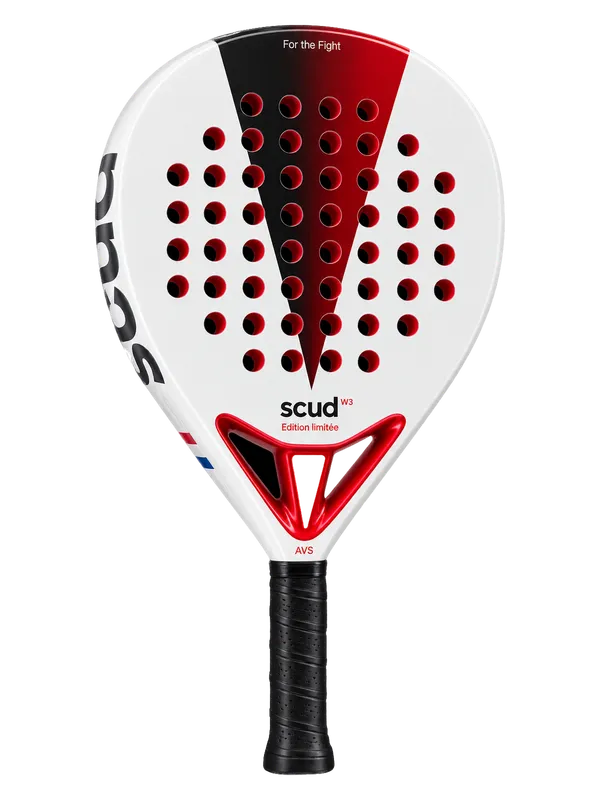
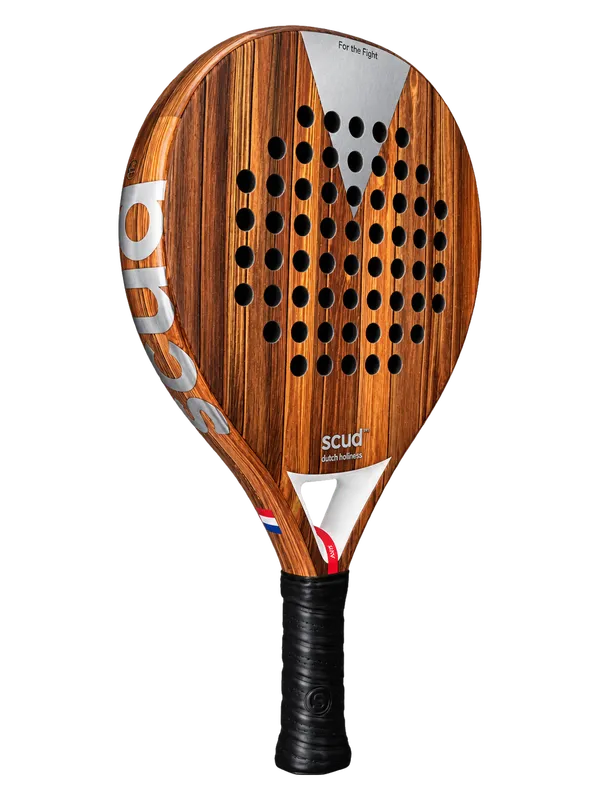
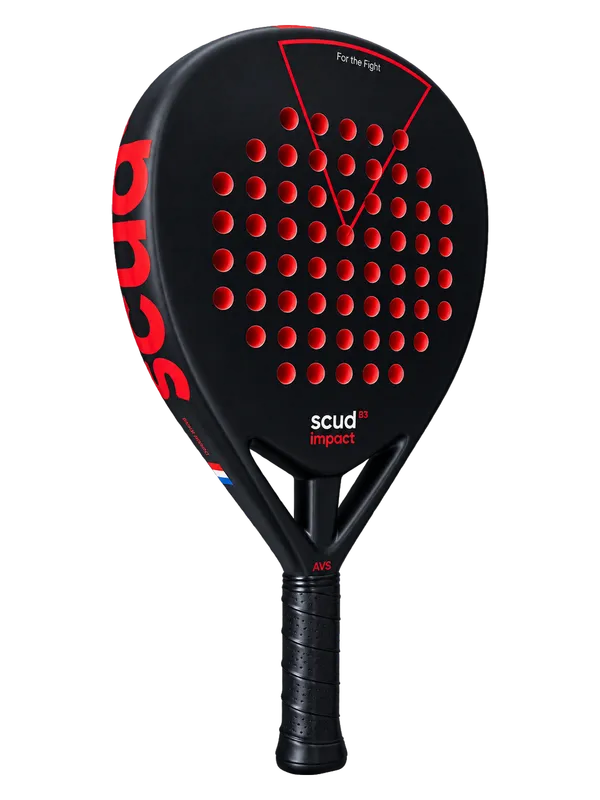
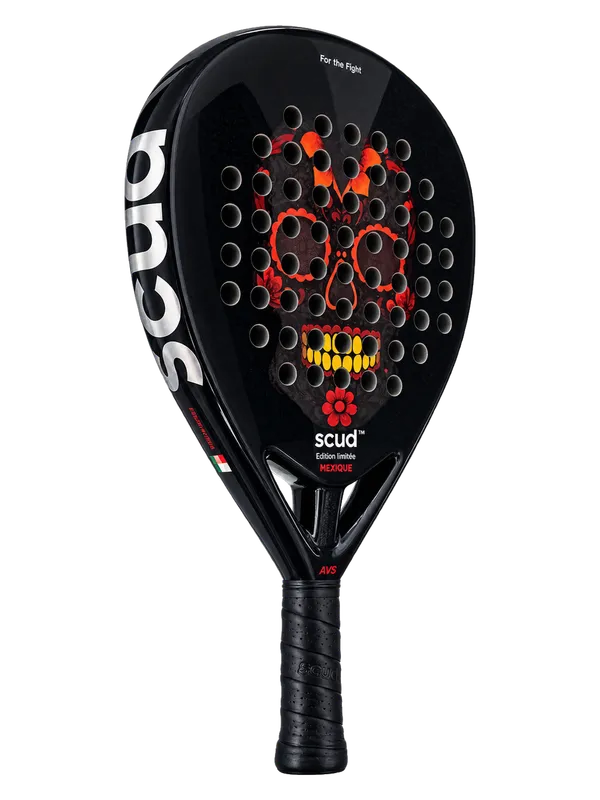
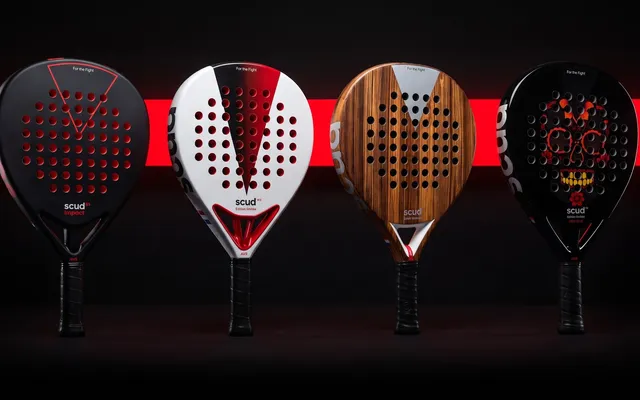
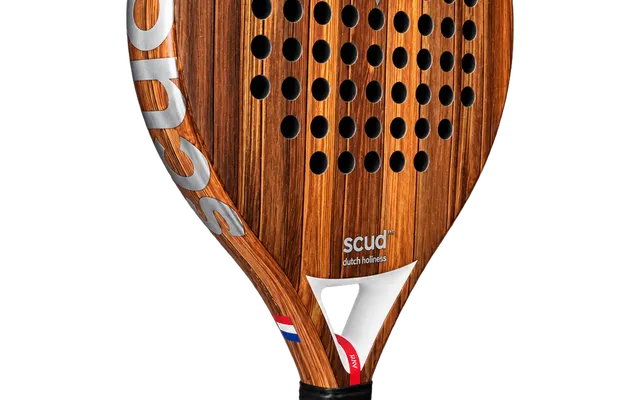
In terms of feel, two models age particularly well for players who prioritise control. The SCUD White S3 pairs forgiving 12K carbon with a firm Hard Power EVA foam that keeps its rebound over time. The SCUD Wood S1, 12K carbon and fibreglass on soft EVA, offers the softest touch in the range and absorbs sharp knocks better thanks to the flexibility of its shell. Both carry the AVS anti-vibration system and a hand-applied sandblast. The full range, with the Black Impact B3 and the Mexique M1, is on the rackets page.
In short
- The surface wears first (less spin), the foam next (less rebound), the shell last (cracks).
- Three home tests: thumb, sound, frame inspection under raking light.
- Playing volume and heat are the two wear accelerators; cold only has a temporary effect.
- Crack or dull sound: change right away. Compacted foam: change soon. Softened surface: you can wait.
- Replacement is the right moment to check that the model really matched your game.
Frequently asked questions
How long does a padel racket last on average?
There is no reliable figure, because everything depends on playing volume, hitting style and storage. An occasional player keeps a racket for several seasons; a competitor who plays almost every day changes far more often.
Can a cracked racket be repaired?
Resin repairs exist, but they never restore the racket’s original stiffness and balance, and a frame crack remains a rupture risk. We do not recommend it for a competition racket.
Can a new racket be faulty from the start?
Rare but possible. A product that is faulty or damaged on delivery falls under the legal guarantee of conformity, separate from the right of withdrawal: the details are on our shipping and returns page.
Does losing spin mean the racket is finished?
No. A softened surface is comfort wear. As long as the foam and the frame are sound, the racket remains fully playable.
To choose the racket that will take over, our free guide to choosing your racket helps you take stock, and all our models are gathered on the padel rackets page.